What Are the Top Types of Implant Retained Restorations?
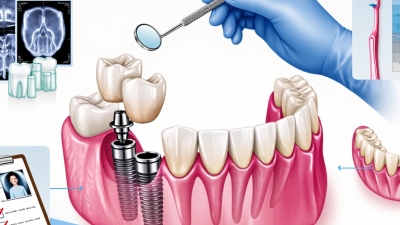
Implant retained restorations replace missing teeth by connecting a crown, bridge, or denture to dental implants. The connection may use screws or dental cement, while removable designs often rely on precision attachments. At chairside, the difference is tangible: a fixed crown stays in place, while an overdenture can be removed for cleaning. These options serve different needs. The categories sound tidy. Real mouths are not.
A single implant crown can restore one missing tooth without involving neighboring teeth. Implant-supported bridges replace several teeth and may use fewer implants than individual crowns. An overdenture clips onto implants, adding stability compared with a conventional removable denture. Full-arch fixed restorations replace an entire upper or lower set of teeth and remain in place during daily use. Each design has trade-offs. Cleaning access, bone volume, bite forces, speech, and maintenance all matter.
Per-Ingvar Brånemark, a pioneer of osseointegration, asked, “If osseointegration is the answer, what is the question?” His question still encourages careful planning. This guide compares the top types of Implant retained restorations, including how they are supported, maintained, and suited to different clinical situations. It also considers practical details, such as cleaning beneath a bridge or removing an overdenture at night. No option is best for everyone. Patient goals, examination findings, and a clinician’s assessment should guide the choice. The evidence and the individual case both matter.
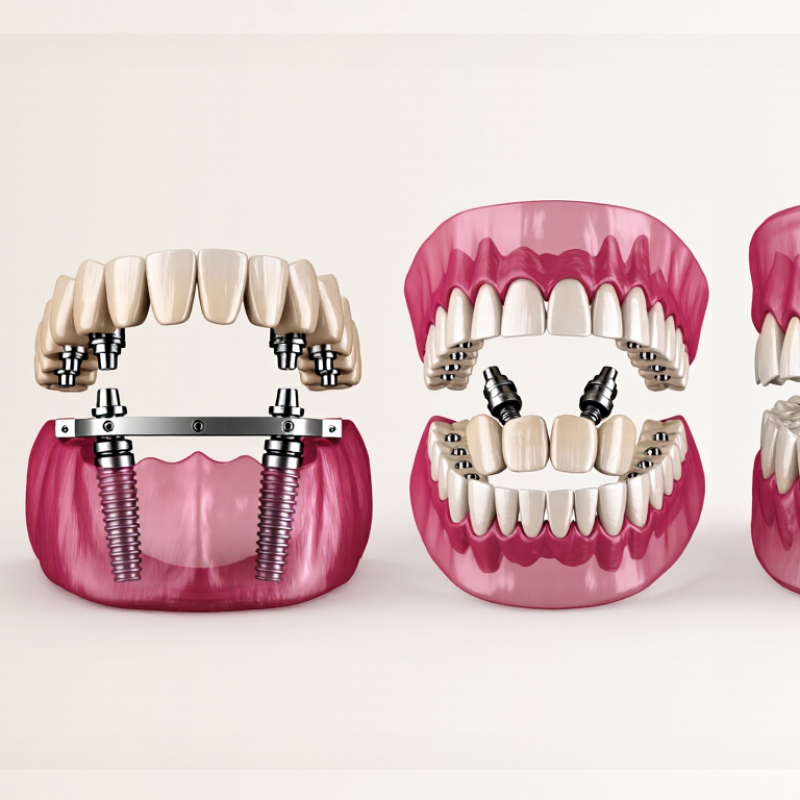
What Implant-Retained Restorations Are and How They Work
What Implant-Retained Restorations Are and How They Work
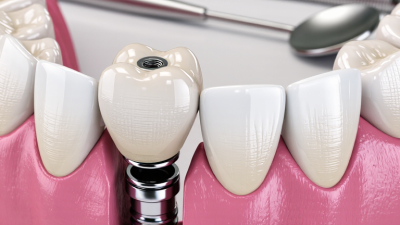
An implant-retained restoration replaces a missing tooth or several teeth using dental implants anchored in the jawbone. The implant acts like an artificial root; a connector joins it to the visible crown, bridge, or denture. During healing, bone bonds with the implant surface, helping provide a stable base. Timing varies. Bone quality, health, and implant stability all matter.
Some restorations are fixed in place and can only be removed by a dental professional. Others, such as overdentures, attach to implants but can be taken out for cleaning. Retention may come from a screw, cement, or small attachments. The terminology can be confusing: “retained” and “supported” are not always used in exactly the same way. Ask how your specific restoration attaches and how to clean around it.
A systematic review by Pjetursson and colleagues in Clinical Oral Implants Research reported estimated five-year survival of 94.5% for implant-supported single crowns and 95.2% for fixed dental prostheses (2012).
Survival does not mean complication-free. Screws can loosen, and ceramics may chip; regular checks help identify problems early. The numbers describe study groups, not a personal guarantee. A careful plan also considers bite forces, gum health, and whether the restoration can be repaired if something goes wrong.
Screw-Retained Restorations: Design and Key Features
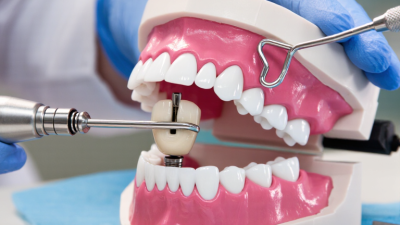
Screw-retained restorations attach to an implant or an intermediate abutment with a small screw. The screw sits inside a channel through the crown or bridge. A dentist can remove the restoration for inspection or repair without cutting it off. That access can be useful when tissues need monitoring.
The channel’s position is planned before the restoration is made. If it emerges near the center of a back tooth’s chewing surface, it may be easier to conceal and less likely to disrupt the bite. On a front tooth, an opening on the visible surface can affect appearance. Small details matter. The opening is usually sealed with filling material, but its edges and the surrounding bite still need careful attention.
At placement, the clinician checks the fit and tightens the screw using the specified torque for that implant system. A poor fit or heavy biting forces may contribute to complications, including screw loosening. Screw retention is not ideal for every case; implant angle, available space, and access-channel position all influence the choice. Even a well-made crown may need adjustment, and that possibility deserves honest discussion with the patient.
Common Forms: Crowns, Bridges, and Implant-Supported Dentures
Implant-retained restorations replace missing teeth by connecting a crown, bridge, or denture to dental implants. The right choice depends on how many teeth are missing, where they are located, and the condition of the jawbone. A dental professional can assess these factors with an examination and imaging.
A single implant crown replaces one tooth. It is shaped to fit the space and meet the opposing teeth when you bite. The aim is a stable, natural-feeling result, though the final appearance can vary with gum shape and tooth position. Fit matters.
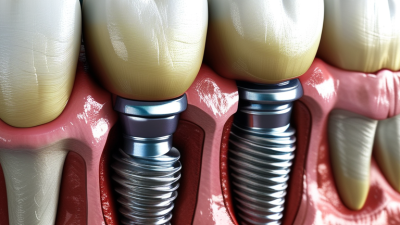
A bridge can replace several adjacent teeth and attach to two or more implants. It avoids relying on the neighboring natural teeth for support. Cleaning beneath the bridge takes practice, so patients should learn suitable brushing and interdental-cleaning techniques.
Implant-supported dentures replace many teeth or a full arch. Some are removable for cleaning; others remain fixed and are maintained in the mouth. Removable designs may use attachments that help limit movement during meals. Fixed designs can feel more secure, but they still need careful cleaning around the implants. Small details count.
No option is perfect for everyone, and preferences may change after living with a restoration. Regular follow-up helps a dental team check comfort, fit, and tissue health.
How Dentists Choose the Right Restoration Type
What Are the Top Types of Implant Retained Restorations?
How Dentists Choose the Right Restoration Type
Choosing an implant restoration starts with the patient, not a catalog. Dentists assess the number and position of missing teeth, jawbone support, gum health, bite forces, and cleaning habits. A single implant may support a crown; several implants can support a bridge or a full-arch restoration. Removable implant-retained dentures are another option, especially when easy removal matters. Each design has trade-offs.
The dentist also considers speech, appearance, comfort, and the patient’s ability to maintain daily hygiene. Imaging and an examination help assess whether implants can be placed safely and where they may best support the restoration. A person who clenches their teeth may need a different plan from someone with a gentle bite. A tidy plan on paper can still feel awkward in the mouth, so adjustments after placement are sometimes needed. That deserves honest discussion.
Tips: Ask how the restoration will be cleaned, what maintenance it needs, and what happens if a component loosens. Bring up budget, comfort, and preferences early. There is no universal best option.