What is Dental Implant Technology and How Does It Work?
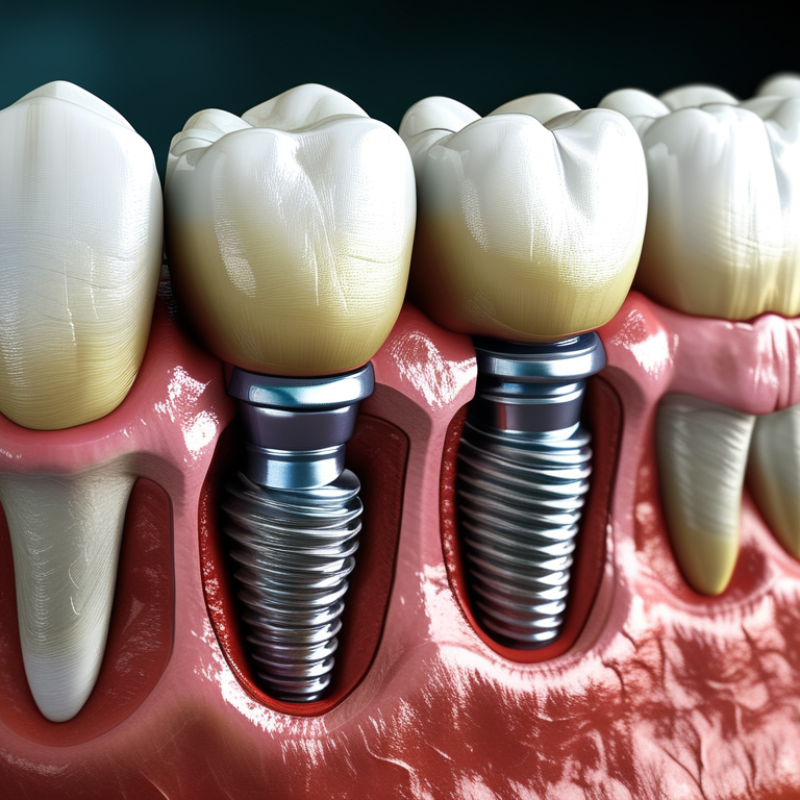
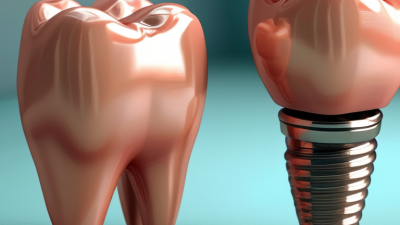
Dental implant technology has revolutionized the field of dentistry. This innovation provides a robust solution for people missing teeth. A dental implant acts as a replacement root for a missing tooth. It is typically made from biocompatible materials, ensuring safety and effectiveness.
Patients seeking implants often have many questions. How does this technology truly work? What are its benefits? These questions highlight the importance of understanding dental implant technology. With proper knowledge, individuals can make informed decisions.
While implants offer significant advantages, there are risks and challenges. Every procedure carries potential complications, such as infection. Patients should consider their overall health and suitability. Dental teams play a crucial role in guiding patients through this process, offering expertise and support. The technology may be impressive, but each case requires careful evaluation and thought.
Overview of Dental Implant Technology
Dental implant technology represents a remarkable advancement in modern dentistry. This technique involves placing prosthetic tooth roots into the jawbone to support artificial teeth. The process begins with a thorough examination. Dentists assess bone density and oral health before treatment. This step ensures a solid foundation for the implants.
The actual procedure can vary. It typically requires multiple visits. After the implant is placed, healing may take several months. Patients need to be aware of this timeline. Some may experience discomfort or require additional treatments. Reflection on individual situations is essential. Success rates are generally high, but not guaranteed.
Implants offer numerous benefits, such as restored function and improved appearance. However, long-term care is vital. Regular dental check-ups ensure the health of surrounding tissues. Patients should also practice good oral hygiene. This technology continues to evolve, making dental care more effective and accessible.
Overview of Dental Implant Technology
This bar chart represents key metrics related to dental implant technology. The durability of implants is generally around 15 years, with a high success rate of 95%. Healing times typically span approximately 6 months, and the average cost of dental implants can be around $3000.
Types of Dental Implants: Endosteal vs. Subperiosteal
Dental implants are a reliable solution for tooth loss. Among various types, endosteal and subperiosteal implants are the most common. Both have unique features and benefits.
Endosteal implants are placed directly into the jawbone. This type is suitable for most patients with adequate bone density. They usually involve a surgical procedure to insert the artificial root. Once healed, a crown is attached. This method provides excellent stability and functionality.
Conversely, subperiosteal implants sit on top of the jawbone but beneath the gum tissue. They are often chosen for patients with insufficient bone structure. This option is less invasive compared to endosteal implants. However, the overall success rate may vary. Both types require proper care and maintenance for lasting results. It’s essential to consult with a dental professional to determine which implant suits your needs best.
The Process of Getting a Dental Implant: Step-by-Step
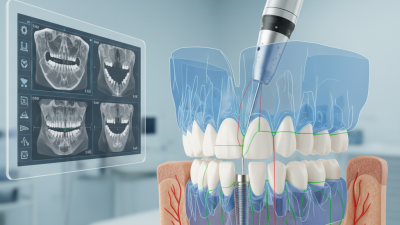
The journey to getting a dental implant involves several crucial steps that ensure both safety and effectiveness. Initially, a thorough assessment is conducted. This includes X-rays and 3D imaging. According to the American Academy of Implant Dentistry, about 3 million people in the U.S. have dental implants, and this number continues to rise. The data underscores the importance of professional evaluation, as this will determine if the patient is a suitable candidate.
After determining eligibility, the next step involves implant placement. The oral surgeon places a titanium post into the jawbone. This post serves as the artificial tooth root. Healing takes several months. During this period, the bone integrates with the implant—a process called osseointegration. Not everyone experiences the same success with healing. Some may encounter complications such as infection or implant failure. Monitoring recovery closely is essential and often requires multiple follow-up visits.
Once healing is complete, the final step entails attaching the crown. This crown must be custom-made to match the surrounding teeth. Some patients report discomfort during this stage, while others find the entire process manageable. The overall success rate of dental implants is around 95%, making them a reliable option for tooth replacement. However, the journey can be daunting and requires patience and care throughout the process.
What is Dental Implant Technology and How Does It Work? - The Process of Getting a Dental Implant: Step-by-Step
| Step |
Description |
Duration |
Recovery Time |
| 1 |
Initial Consultation |
1 hour |
N/A |
| 2 |
Treatment Planning |
1-2 weeks |
N/A |
| 3 |
Implant Placement |
1-2 hours |
1 week |
| 4 |
Bone Integration |
3-6 months |
N/A |
| 5 |
Abutment Placement |
30 minutes |
1 week |
| 6 |
Final Restoration |
1-2 appointments, 1 hour each |
1-2 weeks |
Benefits and Risks of Dental Implants
Dental implants offer a revolutionary approach for those with missing teeth. These small titanium posts are surgically placed into the jawbone, providing a sturdy foundation for replacement teeth. According to the American Academy of Implant Dentistry, over 3 million people in the U.S. have dental implants, a number expected to rise by half a million each year. This technology not only restores function but enhances aesthetics.
However, the benefits come with potential risks. Common complications include infection, nerve damage, and sinus issues. Research indicates that the failure rate of dental implants can range from 5% to 10%. Not everyone is a suitable candidate for this procedure. Factors such as smoking, uncontrolled diabetes, and bone quality heavily influence success rates. Each case is unique, and thorough consultations are essential.
Patient education is vital. Understanding both the advantages and drawbacks allows individuals to make informed decisions. With ongoing advancements in materials and techniques, the reliability of implants continues to improve, yet challenges remain. Open discussions with dental professionals can help navigate this complex landscape.
Post-Operative Care and Maintenance for Dental Implants
Post-operative care for dental implants is crucial for their long-term success. Proper maintenance begins immediately after the procedure. Patients should take prescribed medications to manage pain and prevent infection. According to the American Academy of Implant Dentistry, about 5-10% of implants fail due to improper care. Regular follow-ups with dental professionals help monitor their condition.
Maintaining good oral hygiene is essential. Patients should brush and floss daily, targeting the areas around the implant. A study published in the Clinical Oral Implants Research journal found that patients who adhered to strict oral care had a 98% success rate for implants over a decade. Additionally, using antimicrobial mouthwash can reduce plaque buildup, further protecting the implant site.
Diet plays an equally important role. Soft foods are recommended right after surgery to minimize discomfort. Hard or sticky foods can pose risks, possibly impacting the implant's stability. It's vital for patients to reflect on their habits and make necessary adjustments to promote healing. Regular dental cleanings are an ongoing requirement to maintain the integrity of the implants and surrounding tissues.