7 Tips for Buying Zirconia Dental Crowns?
Choosing Zirconia dental crowns can feel like comparing identical white stones under bright clinic lights. They may look similar, yet their strength, translucency, fit, and manufacturing quality can differ greatly. A crown should match your bite, gum health, tooth position, and cosmetic expectations. Price matters, but it should not lead the decision.
Prosthodontist Dr. Rella Christensen has emphasized a practical principle: “Strength alone does not guarantee clinical success.” That reminder is important. Zirconia can resist heavy chewing forces, but poor preparation, weak bonding, or an inaccurate bite may still cause discomfort or failure. Your dentist should examine digital scans, X-rays, enamel reduction, and opposing teeth before recommending a material. Ask where the crown is made. Ask which zirconia type will be used.
These seven tips focus on details patients often overlook. They explain how to compare monolithic and layered designs, evaluate translucency, check laboratory standards, and understand warranty terms. They also cover gum appearance, crown thickness, cleaning, and follow-up visits. The strongest option is not always the most natural-looking one. Sometimes, it is not the best choice.
A thoughtful decision takes discussion. Bring questions. Request clear answers. Your smile deserves more than a quick color match. Even this guide has limits, because individual anatomy can change the recommendation. A qualified dental professional must confirm the final plan after an in-person examination.
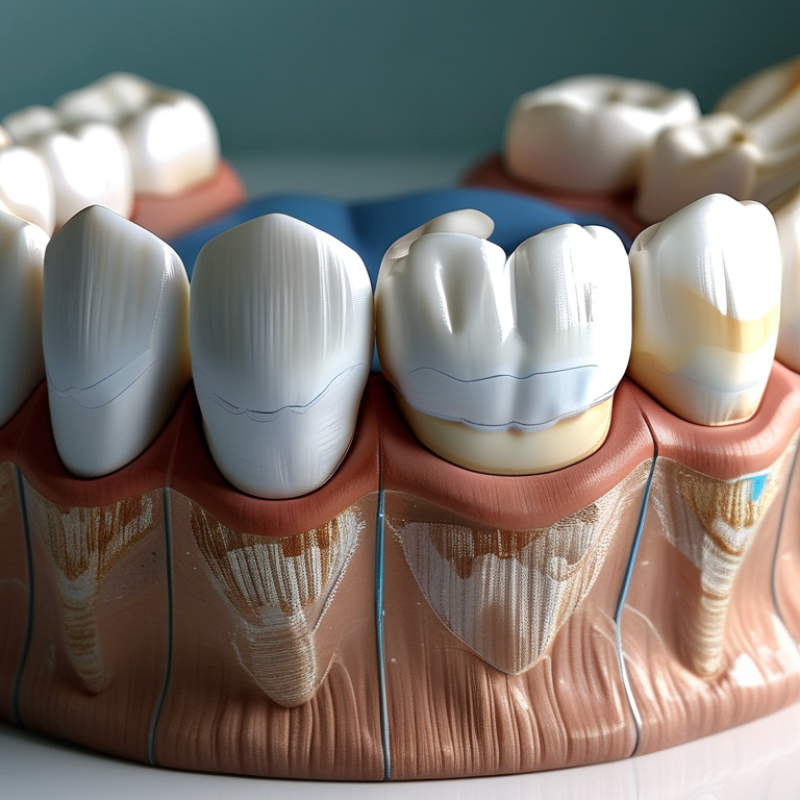
Understanding Zirconia Crowns and Their Main Benefits
Zirconia crowns are strong ceramic restorations designed to cover and protect damaged teeth. Their main benefit is durability, especially for molars that handle heavy chewing pressure. They also resist staining better than natural enamel, although their surface can still collect plaque without careful cleaning. Ask your dentist whether full-contour or layered zirconia suits your tooth, bite, and cosmetic expectations.
Check the crown’s fit, shade, and translucency before placement. A well-fitted margin should feel smooth near the gumline and should not trap food. Front teeth may need more natural light reflection, while back teeth often need greater fracture resistance. Your dentist should examine the opposing teeth, because an overly rough or poorly adjusted crown may increase wear. The dental laboratory’s communication and quality controls matter too.
Discuss preparation, expected lifespan, repairs, and follow-up visits before paying for treatment. Zirconia can be highly reliable, but no crown is perfect. Even careful shade matching may look different under sunlight, indoor lighting, or camera flashes. That detail is easy to overlook. Ask who will make the final adjustments and whether your bite will be checked after cementation. Brush twice daily, clean between teeth, and report sensitivity, looseness, or unusual pressure promptly. A qualified dental professional can compare zirconia with other materials using your medical history, tooth position, gum condition, and budget.
Matching Crown Types to Your Dental Needs
7 Tips for Buying Zirconia Dental Crowns?
Matching Crown Types to Your Dental Needs
A zirconia crown should match the tooth’s location, bite pressure, and appearance. A dentist should examine these factors before recommending any type. For back teeth, monolithic zirconia often offers strong chewing resistance. For front teeth, layered or more translucent zirconia may create a softer, natural appearance. The choice is not always obvious.
Ask whether you grind your teeth at night. Heavy clenching can affect material thickness and crown design. Ask about the space available above the tooth, too. Limited clearance may require a different preparation plan. Your dentist should also check your bite, gum position, neighboring teeth, and X-rays. A crown that looks excellent on a model may feel uncomfortable in daily use.
Shade selection deserves close attention. Compare samples in natural daylight, not only under bright clinic lamps. Discuss the margin near your gumline, especially if your gums have receded. Confirm how the crown will be adjusted, polished, and checked after placement. Ask about the laboratory process, expected lifespan, maintenance, and what happens if the fit fails. Cost matters, but the cheapest option may not suit your chewing pattern. I have seen patients focus on color and overlook bite pressure. That is an easy mistake. Regular dental reviews remain important, even when the crown feels normal.
Evaluating Your Dentist, Dental Laboratory, and Treatment Process
7 Tips for Buying Zirconia Dental Crowns
Evaluating your dentist should come before comparing crown prices. Tip one: check the dentist’s training, experience with zirconia, and history of similar cases. Ask to see anonymized examples, especially molars and front teeth. Tip two: request a clear treatment plan explaining tooth preparation, bite adjustment, expected lifespan, and possible risks. Ask questions. A reliable dentist should explain options without pressure. Tip three: confirm who designs and makes the crown. The dental laboratory’s technicians should understand digital scans, shade matching, occlusion, and zirconia finishing. Tip four: ask whether your dentist communicates directly with the laboratory. Small details matter.
Tip five: inspect the treatment process, not only the final crown. Accurate impressions or scans, careful preparation, temporary protection, and a proper try-in can affect comfort and durability. Tip six: during the fitting, speak up about pressure, rough edges, speech changes, or an uneven bite. Fit matters. A crown should not simply look attractive under bright clinic lights. It should feel natural when chewing and closing your mouth. Tip seven: ask about follow-up care, adjustments, cleaning, and what happens if the crown chips or feels uncomfortable later.
I once underestimated how much shade selection depends on lighting, surrounding teeth, and photographs. That assumption was too simple. Your dentist may need several checks before cementing the crown. Cost is useful information, but it should not replace questions about materials, laboratory communication, and clinical care. Do not rush. A thoughtful process usually reveals more than a polished sales explanation.
7 Tips for Buying Zirconia Dental Crowns
Evaluate your dentist, dental laboratory, and treatment process—not just the crown material.
How to read the chart: Zirconia strength varies by formulation. Traditional 3Y zirconia generally offers the highest flexural strength, while 4Y and 5Y zirconia typically provide more translucency with lower strength. The ranges below are representative published ranges, not guarantees for every material.
Seven Questions to Ask Before Treatment
- Does the dentist assess your bite, tooth structure, gum health, and risk of grinding?
- Which zirconia formulation is recommended, and why is it suitable for this tooth?
- Will the dental laboratory use digital scans, traditional impressions, or both?
- How will the laboratory control crown fit, contacts, color, and occlusion?
- Is the laboratory experienced with the selected zirconia type and required finishing process?
- What try-in, adjustment, and cementation steps are included before final placement?
- What follow-up care, maintenance, and warranty terms are provided?
Comparing Costs, Warranty Coverage, and Long-Term Care
7 Tips for Buying Zirconia Dental Crowns?
A low price may hide important costs. Ask whether the quote includes examination, tooth preparation, temporary coverage, scans, fitting, and adjustments. Compare written estimates, not advertised crown prices. The American Dental Association’s Survey of Dental Fees shows substantial regional and practice-setting variation. Therefore, one national “average” can mislead. Ask about laboratory fees, remake charges, and emergency visits.
Check the warranty carefully. Many dental warranties last three to five years, but no universal standard exists. Confirm whether it covers fracture, poor fit, debonding, staining, and remake costs. Ask whether bruxism, missed reviews, acidic drinks, or another dentist’s adjustment cancels coverage. Also ask about required night guards. Get every condition in writing. Verbal reassurance is weak protection.
Long-term care affects value. A 2021 systematic review in the Journal of Dentistry reported approximately 98% five-year survival for monolithic zirconia crowns. Earlier zirconia framework studies reported lower results, showing that design and evidence quality matter. These figures are not promises. Patients with grinding, poor hygiene, or heavy biting forces may face higher risks. Use fluoride toothpaste, clean daily between teeth, avoid chewing ice, and attend risk-based reviews. Six-month visits are common, but not suitable for everyone. I would question an unusually cheap quote, yet I would also question an expensive crown without clear evidence, warranty terms, and follow-up care.