Skip to Content
chevron-left chevron-right chevron-up chevron-right chevron-left arrow-back star phone quote checkbox-checked search wrench info shield play connection mobile coin-dollar spoon-knife ticket pushpin location gift fire feed bubbles home heart calendar price-tag credit-card clock envelop facebook instagram twitter youtube pinterest yelp google reddit linkedin envelope bbb pinterest homeadvisor angies

Why Choose Implant Retained Restorations?

Choosing Implant retained restorations involves more than replacing missing teeth. It requires careful diagnosis, realistic expectations, and a restoration plan that fits the patient’s health, anatomy, and daily routine. When properly planned, implants can provide a stable foundation for crowns, bridges, or dentures. Patients may notice improved chewing confidence, clearer speech, and less movement during meals. The difference can be tangible.

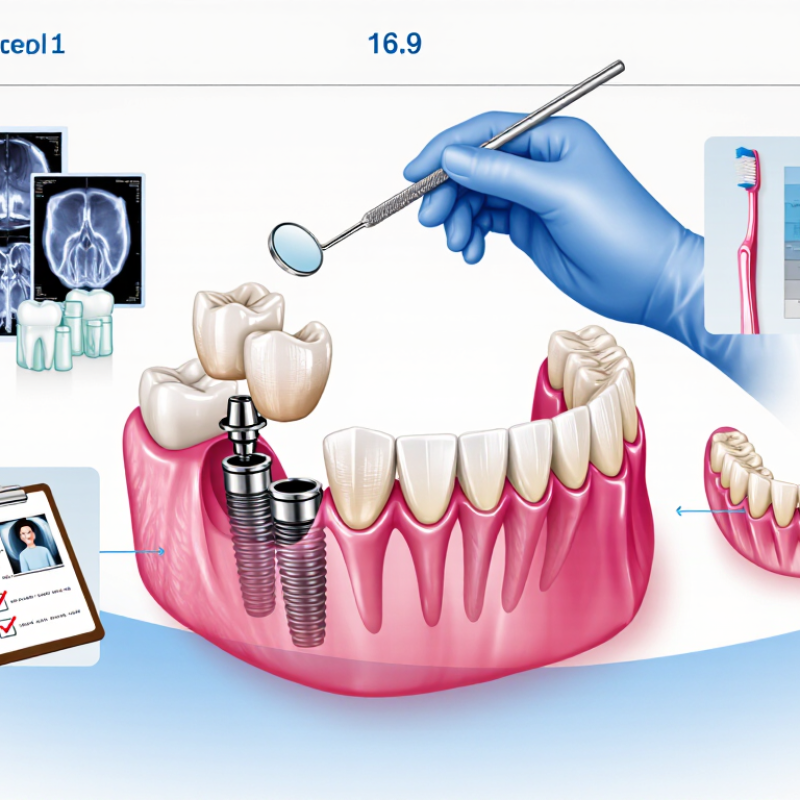
The strongest decisions begin with a detailed assessment. Dental professionals review bone volume, gum health, bite forces, medical history, and cleaning ability. Digital scans and three-dimensional imaging may support accurate planning, but technology cannot replace clinical judgment. Implant retained restorations can improve function and appearance, yet they still require professional maintenance and consistent home care. Not every patient benefits. Smoking, uncontrolled medical conditions, inadequate hygiene, or limited bone support may affect the outcome.

Evidence supports implant treatment for many suitable patients, but success is never automatic. Long-term results depend on surgical skill, restorative design, material selection, and regular reviews. Patients should ask how the restoration will be cleaned, repaired, and monitored over time. Costs and treatment duration also deserve honest discussion. A beautifully fitted restoration can still fail when maintenance is ignored. That matters.

This topic deserves a balanced view. Implant retained restorations may offer security and comfort, but they are not a shortcut or a permanent guarantee. A qualified dental team should explain benefits, limitations, alternatives, and possible complications in clear language. The best choice is personal, evidence-informed, and reviewed carefully before treatment begins.
Why Choose Implant Retained Restorations?

What Are Implant-Retained Restorations?

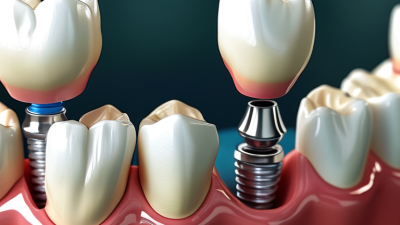
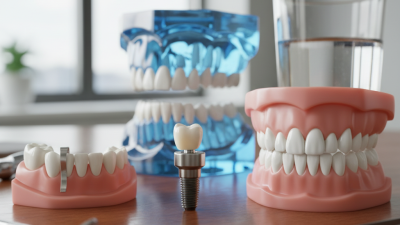
Implant-retained restorations are replacement teeth supported by dental implants. An implant is a small titanium post placed inside the jawbone. After healing, an abutment connects the implant to the visible restoration. This design can support a crown, bridge, or denture, depending on the number of missing teeth.

Some restorations stay fixed and feel similar to natural teeth. Others attach to implants but remain removable for cleaning. A removable denture may snap securely into place instead of floating during meals. Patients often notice better stability when speaking, biting an apple, or eating firmer foods. The final fit depends on jawbone volume, gum health, bite forces, and daily hygiene.

Implant-retained treatment is not a perfect shortcut. Healing may take months, and some patients need additional evaluation before treatment. A dentist usually reviews medical history, takes three-dimensional images, and checks whether the gums can remain healthy. Cleaning under bridges or around attachment points can also require patience and special tools. Small problems matter: bleeding gums, a loose component, or changing bite should receive professional attention. Proper planning improves reliability, but maintenance still belongs to the patient.

How Implant-Retained Restorations Work

Implant-retained restorations replace missing teeth with a stable connection to dental implants. The process begins with placing small titanium implants into the jawbone. Over several months, the bone can bond with their surfaces. This healing stage is called osseointegration. It cannot be rushed.

After healing, a dentist attaches abutments to the implants. These connectors support a crown, bridge, or removable denture. The restoration may use clips, bars, or screw-retained components. When you chew, forces travel through the implants instead of resting only on the gums. This often improves comfort, speech, and chewing control. However, results depend on bone volume, healing, bite pressure, and daily cleaning. A loose fit can still occur. Regular reviews help identify problems before they become expensive or painful.

Tips: Clean around each implant with a soft brush and suitable interdental tools. Ask your dental team to demonstrate the correct technique. Do not ignore bleeding, swelling, clicking, or movement. Hard foods may stress the restoration, especially during early healing. Smoking can impair healing and deserves an honest discussion with your clinician. Implants are not maintenance-free, and that is an easy detail to underestimate.

Key Benefits of Implant-Retained Restorations

Why Choose Implant-Retained Restorations?

Key Benefits of Implant-Retained Restorations

Implant-retained restorations provide steadier support than conventional removable dentures. Patients often notice this during speaking, chewing, and laughing. A 2018 Cochrane review found that implant-retained overdentures can improve satisfaction and oral health-related quality of life. The strongest evidence involved lower-jaw overdentures supported by two implants. Stability matters daily.

These restorations also distribute biting forces more effectively. They may reduce denture movement and the sore spots caused by repeated sliding. A systematic review by Chaware and Thombare reported implant survival above 95% for many overdenture studies, although follow-up periods and patient conditions varied. That difference deserves attention. Results are not guaranteed.

Long-term success depends on cleaning, recall visits, bone quality, and accurate maintenance. The International Team for Implantology emphasizes regular professional assessment of peri-implant tissues and prosthetic components. Attachments can wear, loosen, or require replacement. Patients with limited dexterity may need practical cleaning support at home. A secure restoration still needs care.

Experienced clinicians also assess speech, lip support, facial comfort, and the patient’s expectations before treatment. Implant-retained restorations are not automatically ideal for everyone. Medical history, smoking, periodontal risk, and financial considerations can change the treatment plan. The best outcome combines evidence, careful planning, and honest discussion.

Why Choose Implant Retained Restorations? - Key Benefits of Implant-Retained Restorations

Benefit Area How Implant-Retained Restorations Help Practical Patient Impact Important Clinical Consideration
Improved Stability Dental implants anchor the restoration to the jaw, reducing movement during speaking and eating. Patients commonly experience greater confidence and less concern about a denture shifting or slipping. Adequate bone volume, healthy soft tissues, and proper implant positioning are important for predictable support.
Better Chewing Function A firmly retained restoration provides more consistent contact with food than a loose removable denture. Many patients can manage a broader range of foods more comfortably, although chewing ability varies by case. A gradual transition to harder foods is usually recommended after treatment and healing.
Reduced Irritation Improved retention can reduce repeated rubbing and pressure caused by a moving denture base. This may improve comfort and reduce the likelihood of sore spots associated with instability. Persistent soreness may also indicate an ill-fitting prosthesis, infection, or another condition requiring review.
Bone Preservation Support Implants transmit functional forces to the jawbone and may help limit the bone resorption that commonly follows tooth loss. Maintaining available bone can help support facial structure and future restorative options. Implants do not completely prevent bone loss, and changes may still occur around the implant over time.
Speech Confidence Greater prosthesis stability can reduce unwanted movement during pronunciation. Patients may feel more comfortable speaking in social and professional situations. Speech adaptation still takes time, particularly when the restoration design or bite has changed.
Improved Retention with a Removable Design The restoration can remain removable for cleaning while being secured to implants during daily use. Patients can benefit from both increased stability and easier access for home hygiene. Attachment components may wear and require periodic adjustment or replacement.
Potentially Longer Service Life Implant-supported restorations can provide durable tooth replacement when implants, prosthetic parts, and oral tissues are well maintained. A stable restoration may reduce the need for frequent denture replacement caused by poor fit or progressive changes in the mouth. Longevity depends on oral hygiene, smoking status, medical conditions, bite forces, maintenance, and regular professional reviews.
Enhanced Quality of Life Greater comfort, retention, and function can improve daily eating, speaking, and social activities. Patients may experience increased satisfaction compared with conventional removable dentures, depending on their individual circumstances. Treatment involves surgery, healing time, maintenance, and higher initial costs than many conventional removable options.
Maintenance Requirements Implant-retained restorations require daily cleaning around the implants and regular professional examinations. Good maintenance helps protect the gums, implants, attachments, and restoration over the long term. Inadequate plaque control can contribute to peri-implant inflammation and bone loss.

Clinical outcomes vary according to individual anatomy, general health, implant number and position, restoration design, hygiene, and ongoing professional care.

Types of Implant-Retained Restorations

Implant-retained restorations replace missing teeth with support from dental implants placed in the jawbone. The right design depends on bone volume, gum health, bite pressure, hygiene habits, and personal expectations. A careful examination should include dental imaging and a discussion of daily maintenance.

An implant-retained overdenture is removable. Small attachment components connect the denture to implants, improving stability during speaking and eating. Patients can remove it for cleaning. This option may suit people missing many teeth, although the denture can still require periodic adjustment as the gums and bone change.

A fixed implant-supported bridge stays in place and replaces several neighboring teeth. It feels more like natural teeth, but cleaning beneath the bridge requires special tools and careful instruction. A single implant crown replaces one missing tooth without reshaping adjacent teeth. It can offer a natural appearance when the implant position and gum contour are well planned.

For extensive tooth loss, clinicians may recommend a fixed full-arch restoration or a removable full-arch overdenture. Fixed designs can provide strong chewing support, yet they demand excellent professional cleaning access. Removable designs are easier to remove, but some patients dislike taking them out nightly. No option is perfect. I have seen expectations change after patients experience speaking, chewing, and cleaning in real life. Even a well-planned restoration may need maintenance, attachment replacement, or bite adjustments over time. Regular reviews help identify small problems before discomfort or loosening develops.

Care, Risks, and Long-Term Considerations

Why Choose Implant Retained Restorations?

Care, Risks, and Long-Term Considerations

Implant retained restorations can improve stability during speaking, chewing, and smiling. Unlike traditional removable dentures, they use implants anchored within the jawbone. This support may reduce movement and pressure on the gums. The result often feels more secure during everyday meals. However, comfort varies between patients. Bone volume, bite forces, oral habits, and general health all influence the outcome.

Daily care remains essential. Brush around the attachments with a soft toothbrush, then clean beneath the restoration using an interdental brush or water flosser. Small food particles can collect around the gumline. They may cause inflammation if ignored. Follow the clinician’s instructions about removing the restoration at night. Keep scheduled examinations and professional cleanings, even when everything feels normal. Early problems can be quiet.

Risks include gum inflammation, infection around an implant, loosened components, and gradual bone loss. Clenching, smoking, poorly controlled diabetes, and inconsistent cleaning may increase complications. Restorations also wear over time. Clips, screws, and denture teeth may need adjustment or replacement. The plan is not flawless. A stable restoration can still develop hidden issues beneath the gumline. Patients should ask about maintenance fees, expected repair intervals, imaging, and alternative treatments before agreeing. A careful clinician will assess medical history, bone condition, bite, and cleaning ability rather than promise permanent results.