Top Dental Implant Technology Trends for Buyers?
Dental implant technology is changing how clinics plan, place, and restore implants. For buyers, the challenge is not finding the newest device. It is deciding whether a system fits the clinic’s patients, skills, and daily workflow. A digital scanner may capture a detailed model, while planning software helps clinicians assess implant position before surgery. Guided instruments can translate that plan into a physical procedure. Each step still depends on sound diagnosis and experienced judgment. Technology supports care; it does not replace it.
A principle often associated with implant pioneer Professor Per-Ingvar Brånemark is, “For me, dentistry is not about teeth, it is about people.” That reminder matters when comparing equipment. Buyers should look beyond polished demonstrations and ask for clinical evidence, training requirements, software compatibility, service support, and the full cost of ownership. They should also check how a system handles real cases, including limited space or uneven bone anatomy. No shortcut exists. A promising feature may add complexity if staff cannot use it confidently. This deserves scrutiny.
The trends worth watching include integrated digital workflows, improved imaging, guided surgery, and restorative components designed for more predictable fit. Artificial intelligence may assist with image analysis or planning, but buyers should verify its intended use and evidence. Ask vendors for clear performance data, not only impressive screens. Consider maintenance, data access, and what happens when equipment needs repair. The best purchase is rarely the most futuristic one. It is the one a trained team can use consistently, with patient needs at the center. A little skepticism is healthy. Technology evolves quickly, and today’s convenient workflow may need reassessment as evidence and practice change.
How Dental Implant Technology Has Evolved
Dental implant planning once relied on two-dimensional radiographs, physical impressions, and careful manual measurements. These tools still matter, but they leave room for uncertainty. A panoramic image may not show every bone contour clearly. Small details matter.
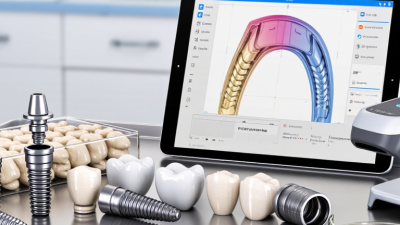
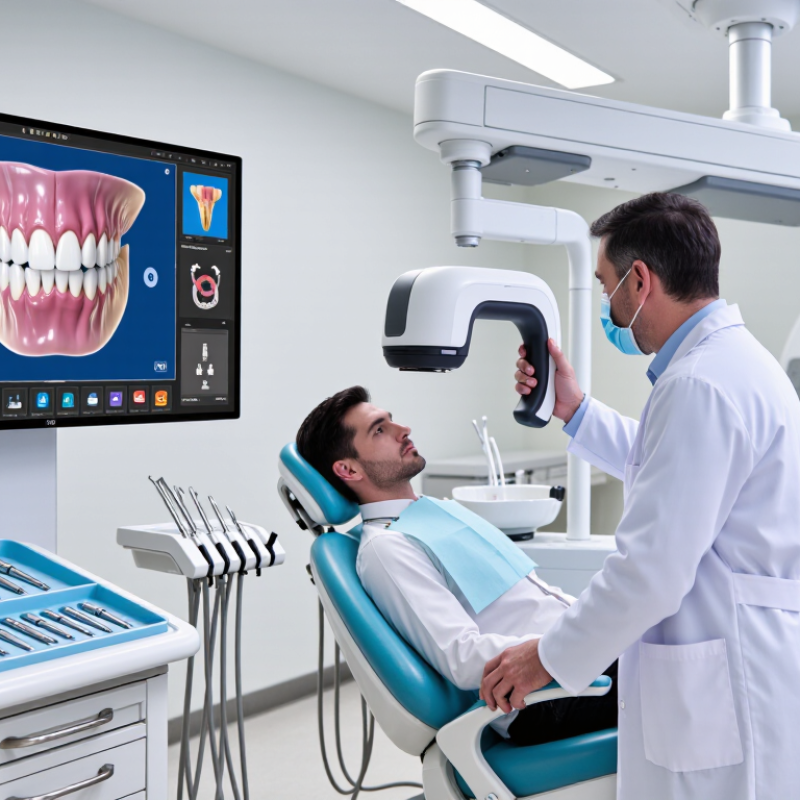
Three-dimensional cone-beam imaging gives clinicians a more detailed view of jaw anatomy and nearby structures. Intraoral scanners can capture teeth and soft tissues without traditional impression trays. When these digital records are combined, clinicians can plan implant position before surgery and prepare a surgical guide. The screen looks precise, but the scan still depends on good image quality and accurate patient positioning.
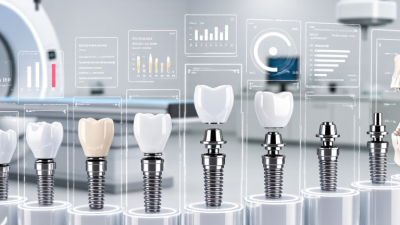
Implant surfaces and restorative components have also changed. Surface treatments are designed to support bone integration, while newer connections can help clinicians manage the fit between implant and crown. Buyers should ask how systems work with existing scanners, planning software, and laboratory workflows. Compatibility can save time, but it should be verified rather than assumed. Training and maintenance count, too. Digital systems need calibration. They are not magic. I have seen teams focus on impressive software and overlook the extra time required to train staff. A practical evaluation includes clinical evidence, support, and the full cost of keeping equipment usable.
Which Implant Materials and Designs Are Emerging
For buyers, material selection is shifting beyond conventional commercially pure titanium. Titanium-zirconium alloys offer higher strength in narrow implant designs, while zirconia attracts clinicians seeking metal-free restorations and tooth-colored components. However, zirconia has less long-term clinical evidence than titanium. The trade-off is not fully settled. A 2023 Grand View Research industry report valued the global dental implant market at about US$4.6 billion, reflecting broad investment in implant systems, not proof that newer materials perform better.
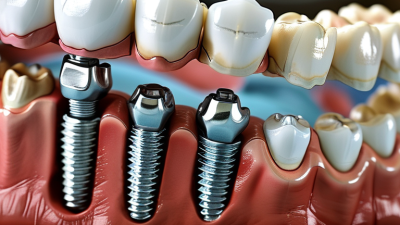
Design changes are practical, too. Tapered bodies can help clinicians manage limited bone width, while conical connections aim to reduce micromovement at the implant-abutment interface. Hydrophilic and micro-roughened surfaces are designed to encourage early bone contact. These features may support treatment planning, but outcomes still depend on bone quality, surgical technique, and maintenance. The ITI consensus literature emphasizes that material and design comparisons need careful interpretation; follow-up periods and study methods vary. Buyers should check evidence for the specific indication, not just a product’s headline feature.
Tips: Compare long-term clinical data, connection compatibility, and surface documentation. Ask how each design performs in the bone conditions you treat. Newer is not always clearer. Some evidence remains uneven.
Top Dental Implant Technology Trends for Buyers
Emerging implant materials and designs: comparing representative material stiffness
Elastic modulus is a material property, not a measure of clinical success. Typical values vary by composition and processing. Titanium alloys remain widely used; zirconia offers a metal-free option, while PEEK is being explored with surface modifications. Design trends include tapered bodies, platform switching, narrow-diameter implants, and surface treatments intended to support bone integration.
Values are representative approximate elastic moduli in GPa; actual specifications vary by grade and source.
How Digital Planning and Guided Surgery Improve Placement
Digital planning turns a patient’s scans into a three-dimensional view of the jaw, nearby structures, and proposed implant position. Clinicians can review bone dimensions and adjust the plan before surgery, rather than relying on visual estimates alone. A few millimeters can matter. Accurate imaging and careful scan alignment are essential; poor input can produce a polished but misleading plan.
Guided surgery uses a custom-made guide to help direct the drill along the planned path. In practice, this can support more consistent positioning and reduce guesswork during placement. The clinician still checks tissue conditions, guide fit, and access in the mouth. A guide is not autopilot. It may need adjustment, and the original plan may no longer fit if clinical findings differ from the scans.
For buyers, useful questions include how planning software handles imaging errors, whether guides can be checked before use, and what training the workflow requires. Ask how the team manages cases where the guide does not seat securely. Digital tools can improve preparation, but they cannot replace clinical judgment or a suitable treatment plan. That distinction is easy to overlook.
What Buyers Should Compare in Implant Systems
When comparing implant systems, buyers should assess the complete treatment platform, not just the implant fixture. Check connection design, restorative options, surgical-kit requirements, and whether replacement parts remain accessible. A familiar workflow can reduce chairside delays. Small details count. Ask for peer-reviewed clinical evidence that matches the intended indication, implant position, and loading protocol. In a 2012 systematic review in Clinical Oral Implants Research, Jung and colleagues reported 10-year survival of 95.2% for implants supporting single crowns. The crowns themselves had lower survival: 89.4%. These figures describe reviewed studies, not a guarantee for any individual system.
Compare evidence quality and follow-up length alongside surface and geometry claims. Look for clearly reported patient numbers, complications, and maintenance needs, rather than headline survival rates alone. Also test the digital workflow: confirm scan-body availability, library compatibility, and the steps required to produce a restoration. Ask how the supplier handles training, component changes, and technical support. A system with many options may offer flexibility, but can also increase inventory and staff training demands. No scorecard captures every chairside surprise. Record the trade-offs, and revisit them after real cases; purchasing decisions can look cleaner on paper than they feel in practice.
How to Assess Long-Term Performance and Clinical Support
Long-term performance is more than a high survival figure.
In a 2019 systematic review, Howe, Keys, and Richards estimated 10-year implant survival at 96.4%. That is encouraging, but it describes pooled study results, not a guarantee for every patient or placement. Numbers help. Look closer. Ask how outcomes were measured, how long patients were followed, and whether failures and complications were reported separately.
Support matters after placement.
Jung and colleagues’ 2012 systematic review reported five-year survival of 97.2% for implants and 96.3% for single crowns. Crowns can still loosen or chip, so buyers should check access to compatible components, repair guidance, and technical help. Request a written maintenance protocol, clear escalation contacts, and training that covers torque checks and radiographic review. Ask how quickly replacement parts can be supplied. A well-designed system is not enough if support is difficult to reach.
Review the evidence behind any performance claim.
Check whether study populations resemble the patients your clinic treats, and whether follow-up includes routine maintenance. One blind spot is relying on averages; complex cases may need closer monitoring. Clinical support should include practical troubleshooting, not just an initial training session.
Sources: Howe et al., Journal of Dental Research, 2019; Jung et al., Clinical Oral Implants Research, 2012.