Skip to Content
chevron-left chevron-right chevron-up chevron-right chevron-left arrow-back star phone quote checkbox-checked search wrench info shield play connection mobile coin-dollar spoon-knife ticket pushpin location gift fire feed bubbles home heart calendar price-tag credit-card clock envelop facebook instagram twitter youtube pinterest yelp google reddit linkedin envelope bbb pinterest homeadvisor angies

7 Best Dental Implant Technologies for Global Buyers

Dental implant technology is changing how clinics restore missing teeth, but the “best” option depends on the patient and the setting. The World Health Organization’s Global Oral Health Status Report (2022) estimates that oral diseases affect nearly 3.5 billion people worldwide. That figure signals broad need, not a guarantee of implant suitability. Bone volume, gum health, medical history, and access to follow-up care still matter.

For global buyers, useful comparisons include implant geometry, surface treatment, digital planning, guided surgery, restorative connections, and material choices. A clinician may compare a titanium implant’s documented performance with a zirconia system’s specific indications. A digital workflow can help align a planned implant with a crown, yet it cannot replace sound diagnosis or surgical judgment. Small details count: component availability, clear instructions, traceability, and compatible prosthetic parts can shape daily practice.

Look beyond glossy product claims. ISO 14801 provides a standardized method for dynamic fatigue testing of endosseous dental implants, but laboratory results alone do not establish long-term clinical outcomes. WHO data describe global oral-health needs; they do not rank implant brands. That distinction is easy to miss. The seven technologies in this guide are therefore best viewed as options to assess against clinical evidence, local expertise, service support, and each buyer’s patient population. Some trade-offs remain unresolved, and a universal winner would be misleading.
7 Best Dental Implant Technologies for Global Buyers

Core Principles Behind Modern Dental Implant Technologies

Modern dental implant technology begins with biology, not hardware. The implant must stabilize in bone while the surrounding tissue heals. This process, called osseointegration, depends on bone quality, surgical accuracy, and controlled loading. Surface texture and implant shape can influence initial stability, but neither replaces careful case assessment. Fit matters.

Planning tools now combine three-dimensional imaging with digital scans. Together, they help clinicians assess bone volume, nerve locations, and the planned crown position before surgery. The goal is practical: place the implant where it can support a functional restoration, not merely where bone looks easiest to reach. Small positioning errors can complicate cleaning and long-term maintenance.

Evidence is encouraging, but not a promise. A 2019 systematic review in the Journal of Dentistry estimated 10-year implant survival at 96.4%. Survival does not mean every implant stays complication-free; maintenance, gum health, and patient-specific risks still matter. The World Health Organization’s 2022 Global Oral Health Status Report estimated that oral diseases affect nearly 3.5 billion people, underscoring the need for durable, accessible care. Technology helps, yet outcomes remain dependent on clinical judgment. That part is harder to standardize.

Seven Leading Dental Implant Technologies for Global Buyers

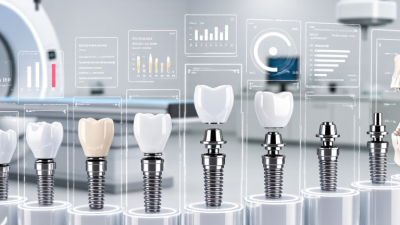
Global buyers comparing dental implant systems need more than a polished catalog. The right technology should fit local clinical workflows, training capacity, and the anatomy of patients being treated. Seven areas deserve close review: CBCT-based three-dimensional planning, digital scanning and CAD/CAM workflows, guided surgery, engineered implant surfaces, thread and body geometry, implant-abutment connections, and material options such as titanium and zirconia.

Each offers practical benefits, with limits. Three-dimensional planning can help clinicians assess bone volume before surgery, while surgical guides may improve placement consistency when imaging and guide fit are accurate. Digital scans reduce reliance on physical impressions, but software compatibility matters. Surface treatments are designed to support bone integration; they do not guarantee it. Thread shape and implant geometry influence insertion and primary stability, yet performance depends on bone quality and surgical technique. Small details matter.

For procurement teams, request published clinical evidence, clear material specifications, sterilization documentation, and dependable access to compatible components. Ask how systems perform across different bone conditions, and whether clinicians can receive hands-on training. A connection design may look interchangeable on paper, then prove otherwise in daily practice. That is easy to miss. Compare maintenance needs, component availability, and the total cost of the workflow—not just the implant unit price. A useful evaluation includes frank discussion of complications and cases where a technology may not be suitable.

How Materials and Digital Workflows Shape Implant Outcomes

Implant outcomes depend on more than the fixture material. Titanium is widely used because it is strong and integrates with bone, while zirconia may suit selected cases where metal-free components are preferred. Neither choice is automatically best. Bone volume, bite forces, tissue health, and the planned restoration all matter.

Surface texture can influence how bone responds, but clinical results also depend on surgical technique and healing conditions. Buyers should review independent clinical evidence, material documentation, and compatibility between implant parts. Look for clear information on intended use and maintenance. Small details matter.

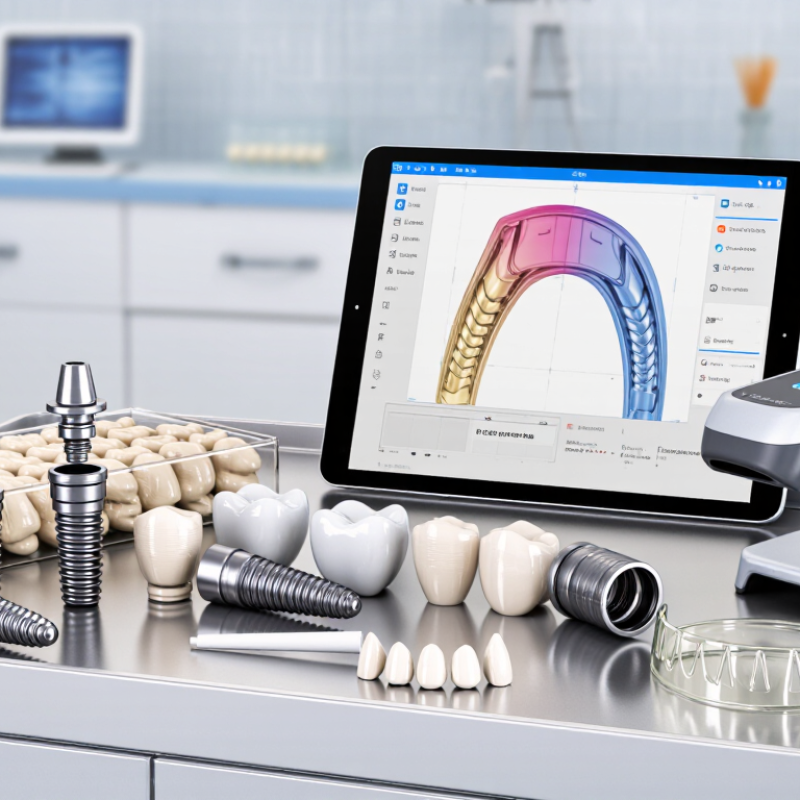
Digital workflows can connect cone-beam scans, intraoral scans, planning software, and guided surgery. This may help clinicians assess anatomy and position an implant with greater consistency. A clean scan helps. Yet digital planning cannot correct poor imaging, inaccurate registration, or an unsuitable treatment plan. It is a tool, not a guarantee.

For global purchasing teams, check whether software, instruments, and prosthetic components work together across the full workflow. Ask how updates are handled and what training is available. A polished demo may hide practical friction in daily use. That deserves scrutiny. Outcomes still rely on clinical judgment, careful follow-up, and patient-specific planning. A technology comparison should weigh evidence and workflow fit, not just speed or precision claims.

7 Best Dental Implant Technologies for Global Buyers — How Materials and Digital Workflows Shape Implant Outcomes
Technology Materials or workflow Potential value Evidence and practical limitations What buyers should verify
1. Titanium and titanium-alloy implants Common systems use commercially pure titanium or titanium alloy, including Ti-6Al-4V. Implant geometry and surface treatment vary by system. A well-established option with extensive clinical use. Titanium components are available across a broad range of implant and restorative designs. Results depend on case selection, placement, healing, maintenance, and the complete prosthetic design—not material alone. Allergic or hypersensitivity reactions are uncommon but should be assessed clinically. Confirm material grade, traceability, applicable regulatory documentation, component compatibility, and availability of replacement parts in the target market.
2. Zirconia ceramic implants Implants are made from zirconia ceramic and may be offered as one-piece or two-piece designs, depending on the system. Provides a metal-free option and may be considered where a ceramic material or specific aesthetic approach is preferred. Clinical evidence is growing, but the evidence base and long-term follow-up are generally less extensive than for titanium. Design type can affect restorative flexibility and handling. Review the specific design’s clinical evidence, indications, fracture-related data, restoration options, regulatory status, and local access to compatible components.
3. Engineered implant surfaces Surface characteristics may be altered through methods such as blasting, etching, or other surface treatments. Properties differ among systems. Surface topography and chemistry are designed to support interaction between the implant and surrounding bone during healing. Surface treatment is only one factor in osseointegration. Clinical outcomes also depend on bone quality, surgical technique, loading protocol, patient health, and maintenance. Request clear specifications for surface treatment, manufacturing controls, storage and handling instructions, and clinical data relevant to the intended indication.
4. CBCT-based digital treatment planning Three-dimensional imaging can be combined with clinical examination and digital models to assess anatomy and plan implant position. Can help visualize bone dimensions and nearby anatomical structures and support prosthetically informed planning. Image quality, patient movement, segmentation, and registration can affect planning accuracy. CBCT should be used when clinically justified; it does not replace clinical judgment. Check image export formats, software compatibility, data security, staff training, and protocols for image acquisition and radiation justification.
5. Static computer-guided implant surgery A digitally planned position is transferred to surgery using a patient-specific guide, often with guided instruments. May support a planned drilling trajectory and depth, especially when used within a well-validated workflow. Guidance does not eliminate placement error or surgical risk. Accuracy can be affected by imaging and scan alignment, guide support and fit, manufacturing tolerances, and clinical execution. Verify guide-production quality controls, sleeve and instrument compatibility, fit-check procedures, planning software interoperability, and contingency protocols.
6. Dynamic computer-assisted navigation Navigation systems track instruments during surgery and display their position relative to the preoperative plan. Provides real-time visual feedback and can allow the operator to adjust instrument direction during the procedure. Performance depends on calibration, tracking visibility, registration accuracy, equipment setup, and operator training. It requires reliable technical support and workflow integration. Assess calibration and registration steps, training requirements, service coverage, software updates, data compatibility, and backup procedures for equipment interruption.
7. Integrated digital restorative workflow Intraoral scanning, digital design, and computer-aided manufacturing can be combined to produce restorations or components; manufacturing may use milling or additive processes. Can streamline data transfer and support coordinated planning of the implant position and final restoration. Accuracy varies with scanner technique, scan extent, software, material, and manufacturing process. Full-arch scans can be more demanding than shorter scans, and digital workflows still require clinical verification. Confirm open or compatible file formats, validated material indications, manufacturing quality controls, component fit, local lab capability, and post-sale technical support.

Comparing Technologies by Clinical Needs and Treatment Settings

For routine cases with adequate bone, a conventional two-stage implant allows the site to heal before the crown is attached. It suits settings where predictable staging matters more than speed. Immediate-loading protocols can shorten the wait, but only when stability, bite forces, and patient health support early function. Fast is not always safer.

Static guided surgery uses a 3D-printed guide planned from imaging. It can help place implants accurately in crowded or esthetic areas, provided the guide fits and the scans are reliable. Dynamic navigation tracks instruments on a screen and allows adjustments during surgery. It may suit complex cases, though teams need training and a clear backup plan. Digital tools help. They do not replace judgment.

Short implants may help in the back of the jaw when bone height is limited, but long-term loading still needs careful review. Narrow-diameter implants can fit restricted spaces or thin ridges; they are not ideal for every heavy bite. Zygomatic implants may be considered for severe upper-jaw bone loss, usually in specialist settings. The uncomfortable truth: a newer method cannot fix a poor diagnosis. Clinicians should compare bone volume, medical history, maintenance needs, and local expertise before choosing a technique.

Evaluating Suppliers, Quality Standards, and Regulatory Compliance

For global buyers, implant selection begins with supplier evidence, not polished brochures. The WHO Global Oral Health Status Report (2022) estimates that oral diseases affect nearly 3.5 billion people worldwide. That scale makes traceability and dependable production more than paperwork. Ask for device-specific technical files, batch records, sterilization validation, and clear change-control procedures. A certificate alone is not enough. I would not treat a tidy document folder as proof of consistent manufacturing.

Check whether the supplier’s quality system aligns with ISO 13485, and review testing against relevant standards, including ISO 14801 for dynamic fatigue testing of endosseous implants. Biological evaluation should also be documented under the ISO 10993 framework. Reports should identify the tested implant configuration, methods, and results—not simply show a pass mark. Small details matter: thread geometry, surface treatment, packaging seals, and lot numbers must match across records. Ask how the supplier handles complaints and field corrections, too.

Regulatory requirements differ by destination. Confirm market authorization, labeling, language, and importer responsibilities for each country before placing an order. The WHO report also notes that severe periodontal disease affects more than one billion people, reinforcing the need for careful clinical selection and follow-up. Testing cannot guarantee outcomes. Suppliers may provide excellent files, yet response times or change notices can still disappoint; check these through a documented audit and direct questions.