Skip to Content
chevron-left chevron-right chevron-up chevron-right chevron-left arrow-back star phone quote checkbox-checked search wrench info shield play connection mobile coin-dollar spoon-knife ticket pushpin location gift fire feed bubbles home heart calendar price-tag credit-card clock envelop facebook instagram twitter youtube pinterest yelp google reddit linkedin envelope bbb pinterest homeadvisor angies

China Top 10 Dental Implant Technology Companies

Dental implant technology has changed how clinicians plan and restore missing teeth. Digital imaging, guided placement, implant surfaces, and restorative components now work together in many treatment workflows. Yet a polished product catalogue does not prove clinical value. What matters is how reliably a system performs in practice.

This overview introduces ten companies active in the dental implant field. It considers their product portfolios, research activity, manufacturing capabilities, digital tools, and support for dental professionals. Specific details matter: a clinician may assess implant dimensions, connection design, compatible abutments, and the availability of planning software. Patient outcomes also depend on diagnosis, surgical skill, bone conditions, and long-term maintenance—not only on the manufacturer.

No single company is the right choice for every clinic. Approval status and product availability can differ by market, so readers should check current documentation and local requirements. Published clinical evidence deserves attention, though study methods and follow-up periods are not always easy to compare. That is a real limitation. Company rankings can simplify a complex landscape, and they may become outdated as products and evidence evolve. This guide therefore offers a starting point, not a substitute for clinical judgment or independent verification. The strongest assessment combines transparent product information with relevant research, practitioner experience, and careful attention to each patient’s needs.
China Top 10 Dental Implant Technology Companies

China’s Dental Implant Technology Industry: Scope and Development

China’s dental implant technology industry covers implant fixtures, abutments, surgical guides, digital planning software, and production equipment. Its development depends on more than implant design. Materials science, precision machining, imaging, and clinical feedback all shape how products perform. In a dental laboratory, even a small mismatch between a digital scan and a physical component can require extra adjustments.

Domestic manufacturers and research teams are investing in surface treatment, computer-aided design, and manufacturing consistency. These tools can support more predictable planning and production. They also help clinics coordinate with laboratories through clearer digital records. Still, technology alone does not guarantee good outcomes. Training, patient-specific assessment, and careful follow-up remain essential.

The industry’s scope is broad, but progress is uneven. Some capabilities may develop faster than long-term clinical evidence, so performance claims deserve close scrutiny. That gap matters. A workflow that looks efficient in a factory may feel less simple in a busy clinic. Continued collaboration among engineers, clinicians, and researchers can reveal where designs work well—and where they need revision.

China’s Dental Implant Technology Industry: Demographic Context

China’s population aged 60 and above, 2019–2024

China’s growing older population is an important demographic context for dental care, including implant treatment. These figures indicate population size, not dental implant use or market revenue.

Source: National Bureau of Statistics of China, annual statistical communiqués. Population aged 60 and above, in millions.

Criteria for Selecting the Top 10 Companies

When assessing China’s dental implant technology companies, begin with evidence, not polished product images. A credible supplier should provide clear technical files, material specifications, and quality-control records. Check whether its implant designs have relevant clinical evidence and whether published studies match the products being evaluated. Marketing claims alone are not enough. Compare the evidence carefully.

Manufacturing consistency deserves close attention. Ask how raw materials are traced, how dimensions are inspected, and how production batches are documented. If possible, review audit records and inspect sample packaging for lot numbers and storage instructions. Surface treatment and connection design should be supported by test data, not vague descriptions. A checklist can miss details.

Also assess how the system fits everyday clinical work. Review surgical guides, instrument usability, training resources, and support for case planning. Ask how the company handles technical questions and product updates, then judge the clarity of its answers. Compatibility with existing clinical workflows matters, but it should never replace independent evaluation. No scorecard is perfect. Teams may weigh evidence differently, and that is worth acknowledging. Compare companies using the same criteria, while recording gaps that need follow-up before selection.

Profiles of China’s Top 10 Dental Implant Technology Companies

China’s dental implant technology sector includes companies working across implant fixtures, restorative components, surgical planning, and digital workflows. These ten profiles are best read as a comparison of capabilities, not a definitive ranking. Company performance can vary by product line, clinical setting, and local support.

One profile may focus on implant geometry and surface engineering, while another emphasizes prosthetic connections or custom abutments. Some firms develop planning software and surgical guides; others concentrate on imaging integration or manufacturing precision. Look for practical evidence: published clinical follow-up, clear material specifications, documented quality processes, and training for dental teams. Details matter. A polished product brochure alone cannot establish long-term reliability.

The profiles should also consider usability in everyday practice. How easily can a clinician access compatible components? Are instructions clear, and is technical support responsive? These questions can matter as much as a new design feature. Available evidence may be uneven, and public information does not always reveal how products perform across different patient groups. That limitation deserves attention. A fair comparison therefore separates verified documentation from marketing claims and avoids treating every technology as equally mature.

China Top 10 Dental Implant Technology Companies - Profiles of China’s Top 10 Dental Implant Technology Companies

The entries below are anonymous, non-ranked technology profiles—not verified profiles of specific manufacturers. The technical details describe established dental implant industry practices and should not be interpreted as company-specific claims.

Profile Technology Focus Established Industry Facts Typical Clinical or Production Relevance
Profile 01 Titanium implant materials Commercially pure titanium and titanium alloys, including Ti-6Al-4V, are used in dental implant systems because of their biocompatibility and mechanical properties. Material selection affects implant design, mechanical performance, and biological evaluation requirements.
Profile 02 Zirconia implant systems Zirconia is a ceramic material used in some dental implant systems. It differs from titanium in composition and material behavior, and is not interchangeable with titanium in every clinical situation. Material choice is made in light of the patient, restoration plan, product indications, and clinician judgment.
Profile 03 Implant surface engineering Commercial implant surfaces may be modified through processes such as machining, grit blasting, acid etching, or anodization. Surface treatments are intended to influence surface characteristics and tissue response. Surface type is a product design attribute; clinical outcomes also depend on patient and treatment factors.
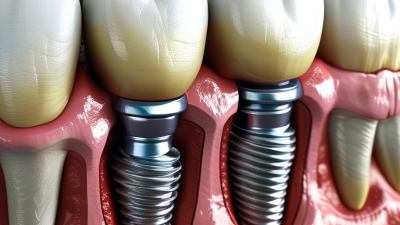
Profile 04 Implant body and thread design Implant systems use different body shapes, diameters, lengths, and thread geometries. Design choices are intended to address different anatomical and restorative requirements. Selection depends on the treatment plan, available bone, product indications, and surgical assessment.
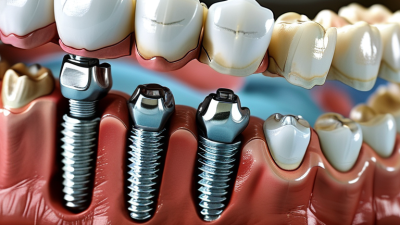
Profile 05 Implant-abutment connections Connection designs include internal and external configurations, such as conical and hexagonal interfaces. Compatibility is system-specific and should be checked against the manufacturer’s documentation. The connection interfaces the implant with restorative components and influences component selection and handling.
Profile 06 Digital planning and CAD/CAM workflow Digital implant workflows can combine imaging data, intraoral or model scans, planning software, and computer-aided design and manufacturing. The available workflow depends on compatible systems and validated processes. Digital tools support planning and restoration design; they do not replace clinical diagnosis or professional judgment.
Profile 07 Guided implant surgery Surgical guides can transfer a digitally planned implant position to the surgical field. Guide accuracy depends on factors including imaging, planning, guide production and fit, and surgical execution. Guidance may support surgical positioning, but does not guarantee a particular clinical result.
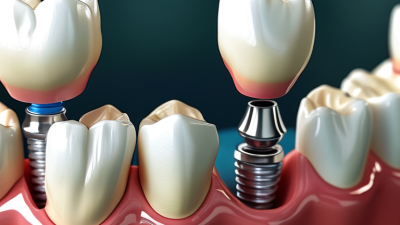
Profile 08 Prosthetic components and restorative options Implant systems commonly include restorative components such as abutments, screws, and healing components. Component availability and compatibility vary by system. Prosthetic planning considers the intended restoration, soft-tissue conditions, and the implant system’s instructions.
Profile 09 Manufacturing and quality management Medical-device manufacturers may use quality management systems aligned with ISO 13485. Manufacturing controls and traceability are important elements of medical-device quality processes. Certification or quality-system claims should be verified for the specific manufacturer, site, and product.
Profile 10 Biological, mechanical, and regulatory evaluation Medical-device evaluation can involve biological safety assessment, risk management, and mechanical testing. ISO 10993 addresses biological evaluation, ISO 14971 addresses risk management, and ISO 14801 specifies a dynamic fatigue test method for endosseous dental implants. Applicable testing and regulatory requirements depend on the device, intended use, and market. Confirm current Chinese registration status through official NMPA records.

Comparison of Implant Systems, Materials, and Digital Technologies

China Top 10 Dental Implant Technology Companies: Comparison of Implant Systems, Materials, and Digital Technologies

Comparing implant systems means looking beyond the fixture. Connection geometry, surface treatment, and prosthetic options affect surgical planning and restoration. Tapered designs may suit certain extraction sites, while parallel-walled fixtures can offer different placement control. Neither shape guarantees success; bone quality and case selection matter.

Commercially pure titanium and titanium alloys have extensive clinical use. Zirconia offers a metal-free option, but long-term evidence is less extensive for some indications. Fit still matters. A small mismatch at the implant-abutment connection can complicate maintenance.

Digital workflows add another comparison layer. Cone-beam CT helps assess bone anatomy, while intraoral scans capture teeth and soft tissue. Planning software can align these records and support guided placement. Yet scans need careful registration, and full-arch cases can be less predictable than short-span scans. Not every scan is clean.

The Grand View Research report estimated the global dental implant market at US$4.6 billion in 2023, with a projected 9.8% compound annual growth rate from 2024 to 2030. That is market data, not proof of better clinical outcomes.

For practical evaluation, compare material traceability, component compatibility, digital file access, and published follow-up evidence—not just software features or catalog breadth.

Industry Trends, Regulation, and Market Outlook

China’s dental implant industry is moving toward digital planning, improved surface engineering, and more consistent manufacturing. Clinics increasingly combine cone-beam CT scans with guided surgery to map bone depth and implant position. These tools can support careful planning, but they do not replace clinical judgment.

A clean scan is not a guarantee of a good outcome.

Regulation and evidence remain central when comparing leading manufacturers. Dental implant systems are generally treated as high-risk medical devices in China, requiring applicable registration and quality controls. Clinics should check registration status, approved indications, traceability, and training support rather than rely on promotional claims.

Procurement reforms have also put pressure on prices, encouraging wider access while raising questions about long-term service and product consistency.

Cost matters. So does follow-up.

The market outlook is supported by aging demographics and growing demand for restorative care, yet growth will vary by region and clinic capacity. Digital tools may spread quickly, but smaller practices can face equipment and training costs.

That gap deserves more attention. Technology is useful, though patient selection, bone conditions, and maintenance habits still shape results.

Industry rankings may capture sales or visibility, not necessarily clinical value. That distinction is easy to miss.