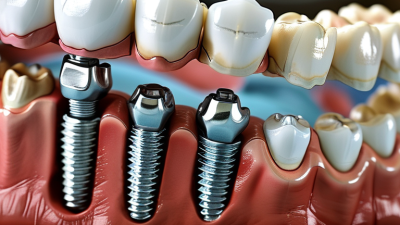
Why Is Dental Implant Technology Important for Buyers?
Buyers comparing dental implants are not choosing a screw alone. They are choosing a treatment pathway shaped by imaging, planning software, implant design, surgical tools, and follow-up. That distinction matters at the consultation table, where a clear scan and a realistic explanation can be more useful than a polished brochure.
Demand is substantial. The World Health Organization’s 2022 Global Oral Health Status Report estimates that oral diseases affect nearly 3.5 billion people worldwide. Grand View Research valued the global dental implants market at about US$5.82 billion in 2023 and forecast 9.8% annual growth from 2024 to 2030. These figures describe disease burden and market expectations; they do not prove that any specific system is safer or better. Buyers should ask what evidence supports the proposed device, how the clinic handles complications, and whether the plan suits their bone, health, and budget. Ask about the implant’s documented clinical history, too.
Technology can support precision, but it cannot replace clinical judgment. Cone-beam CT may help assess bone anatomy; digital planning can guide implant position; surface design influences how bone integrates. Professor Tomas Albrektsson and co-authors defined osseointegration as “a direct structural and functional connection between ordered, living bone and the surface of a load-carrying implant” (Journal of Prosthetic Dentistry, 1981). That is the biological goal, not a guarantee. A digital preview may look exact. Real healing is less tidy. Buyers deserve plain answers about materials, maintenance, costs, and alternatives—not promises dressed up as innovation. Dental implant technology matters most when it helps patients and clinicians make informed, individualized decisions.
What Dental Implant Technology Includes
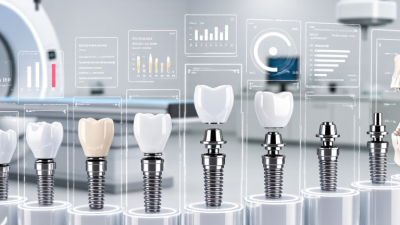
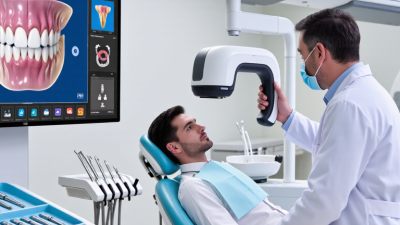
Dental implant technology covers more than the implant screw. It includes the tools used to assess bone, plan placement, and design the replacement tooth. Cone-beam CT scans create three-dimensional views of the jaw, while intraoral scanners capture digital impressions without traditional trays. These records help clinicians evaluate anatomy and discuss treatment options with patients.
Planning software can combine scan data to map implant position before surgery. In some cases, a printed surgical guide helps transfer that plan to the mouth. The implant itself may use titanium or another biocompatible material, with a surface designed to support contact with bone. Small details matter. Digital design also helps shape abutments and crowns to fit the bite and nearby teeth. Yet technology varies between clinics, and not every patient needs every tool.
For buyers, useful questions include how imaging informs the treatment plan, who reviews the scans, and how the final crown will be made. Ask how the clinic handles changes if bone conditions differ from the initial images. A polished screen does not guarantee a careful process. Training, clear explanations, and follow-up care matter too. I would not judge quality by equipment alone; that is an easy mistake to make.
Why Is Dental Implant Technology Important for Buyers?
What Dental Implant Technology Includes
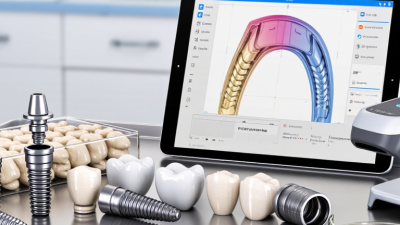
Implant workflows may combine 2D radiographs, CBCT imaging, digital surface scans, and 3D planning software. These tools provide different kinds of information to help clinicians assess anatomy and plan treatment. A 3D representation alone does not guarantee a particular outcome; buyers should ask which tools are appropriate for their case.
How Implant Technology Shapes Treatment Planning
Why Is Dental Implant Technology Important for Buyers?
How Implant Technology Shapes Treatment Planning
A treatment plan begins with anatomy, not a software animation. Cone-beam CT can show bone width, sinus position, and nearby nerves in three dimensions. Intraoral scans add tooth and gum surfaces, helping clinicians align the digital model. Together, these records can inform implant angle, depth, and space for the final crown. Imaging should answer a clinical question; more data is not automatically better.
Planning tools have limits. A 2018 systematic review by Tahmaseb and colleagues in Clinical Oral Implants Research found average deviations of about 1.12 mm at implant entry, 1.39 mm at the tip, and 3.5 degrees in angle with static computer-guided surgery. These are averages, not guarantees. A mismatch in a scan, bite record, or guide fit may affect the result. The clinician must still assess anatomy and surgical conditions. Digital precision is not certainty.
Tips: Ask which records will be used, why they are needed, and how the plan accounts for nearby structures. Request a clear explanation of alternatives and what might change during treatment. Bring previous scans if available. Not magic. Careful planning still depends on accurate records and sound clinical judgment.
How Materials and Design Affect Implant Performance
A dental implant is more than a replacement tooth’s anchor. Its material and shape influence how it interacts with bone and handles chewing forces. Buyers may compare prices first, which is understandable, but the details beneath the surface matter. Titanium is widely used because it can bond closely with bone and has a long clinical history. Zirconia is a ceramic alternative, often considered when metal-free materials are preferred. Neither option suits every patient. Bone condition, bite patterns, health history, and the treatment plan all affect the choice.
Design matters, too. Thread shape and spacing can influence how an implant engages bone, while its diameter and length must fit the available anatomy. A surface may be treated to support bone contact, but surface features alone cannot guarantee success. Small differences count. The final restoration also needs to distribute chewing pressure without creating avoidable strain. Ask the treating clinician how a proposed system fits your scans, bone volume, and expected maintenance needs. Product specifications can help buyers compare options, yet they are not a substitute for clinical judgment. Even careful planning has limits; healing varies, and that uncertainty deserves an honest conversation.
How Digital Tools Influence Precision and Recovery
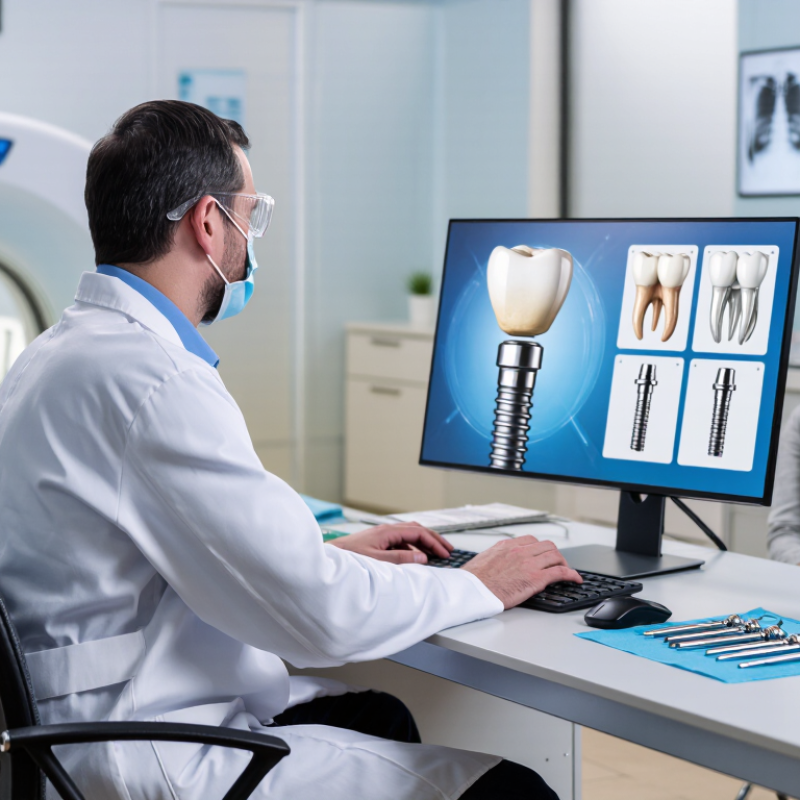
Digital tools can make implant planning more precise by combining three-dimensional imaging with a digital scan of the mouth. A clinician can examine bone shape, nearby nerves, and available space before treatment begins. On screen, a planned implant may appear as a small cylinder positioned beneath a future crown. That view can help the team choose an angle and depth that fit the patient’s anatomy.
Some clinics use a custom surgical guide to transfer the digital plan into the mouth. This may support controlled placement and reduce guesswork, though it cannot remove every risk. A scan may need repeating. Real tissue is not always as tidy as an image. The clinician’s training and judgment still matter.
Digital planning can also affect recovery. When placement is carefully planned, the procedure may involve less disruption to surrounding tissue in suitable cases. That can support a more comfortable early healing period, but recovery varies with bone quality, health, and the complexity of treatment. Ask how imaging is used, who reviews the plan, and what follow-up includes. Small details matter: a clear explanation of swelling, cleaning, and checkups can be as useful as a polished scan.
What Buyers Should Compare When Evaluating Implant Options
When evaluating implant options, compare more than the implant material or surface. Check the connection design, available restorative components, digital planning compatibility, and whether replacement parts will remain accessible. A mismatch can mean extra chairside adjustments or delays while a small component is sourced. Details matter.
A 2019 systematic review in the Journal of Dentistry estimated 10-year implant survival at 96.4%. This is a useful benchmark, not a promise. Survival does not mean freedom from gum inflammation, loose screws, or crown repairs.
Compare studies carefully: follow-up length, patient numbers, implant location, and health factors can change the results. A polished data sheet may omit these details, and that deserves scrutiny. Ask for published clinical evidence, documentation on traceability and sterilization, and clear guidance on maintenance and technical support.
Tips:
Request the full study, not just a headline percentage.
Confirm that the cited results apply to the specific implant design and intended use.
Check component availability before making a purchasing decision.