Skip to Content
chevron-left chevron-right chevron-up chevron-right chevron-left arrow-back star phone quote checkbox-checked search wrench info shield play connection mobile coin-dollar spoon-knife ticket pushpin location gift fire feed bubbles home heart calendar price-tag credit-card clock envelop facebook instagram twitter youtube pinterest yelp google reddit linkedin envelope bbb pinterest homeadvisor angies

How to Choose Advanced Dental Materials for Global Buyers?

Choosing Advanced dental materials is not a simple purchasing exercise. Global buyers must connect clinical needs with evidence, manufacturing quality, and local practice conditions. A restoration material that performs well in a controlled laboratory may behave differently in a humid clinic, during long transport, or under inconsistent storage. Small details matter. Packaging integrity matters. Batch records matter.

Dental materials researcher John M. Powers stated, “No material is ideal; every choice involves balancing properties, handling, and clinical demands.” This principle remains practical for international procurement. Buyers should examine flexural strength, wear resistance, polymerization behavior, radiopacity, biocompatibility, and user handling. They should also request independent test data, technical specifications, safety documentation, and clear traceability. Standards such as ISO 4049 or ISO 10993 may support evaluation, but certification alone cannot replace professional judgment. It is only one piece.

A reliable selection process starts with the intended procedure. Chairside efficiency may matter more than maximum strength in one case. Long-term durability may dominate another. Supplier communication is equally important. Can the manufacturer explain shelf life, storage limits, lot variation, and complaint procedures? Can clinical users receive training?

The process is rarely perfect. A comparison table can hide practical weaknesses. Price can also mislead. The cheapest option may create higher retreatment costs. Global buyers should pilot materials with qualified dental professionals before wider adoption. Careful decisions protect patients, clinicians, and procurement teams. They also build trust across markets, where assumptions can travel faster than evidence.
How to Choose Advanced Dental Materials for Global Buyers?

What Are Advanced Dental Materials and Why Do Global Buyers Need Them?

How to Choose Advanced Dental Materials for Global Buyers?

Advanced dental materials are engineered substances designed to improve strength, fit, durability, or clinical handling. They may include high-performance ceramics, dental polymers, bioactive cements, and digitally manufactured restorative materials. Unlike conventional options, these materials often respond better to stress, moisture, temperature changes, or precise computer-aided production. Their value depends on the intended procedure, not on impressive technical language.

Global buyers need them because dental laboratories and clinics face different working conditions. A restorative material may travel through humid ports before reaching a temperature-controlled facility. Its packaging, storage range, lot traceability, and shelf life therefore matter. Buyers should request biocompatibility data, mechanical test results, quality certificates, and clear instructions for use. Local registration requirements must also be checked before purchase. A datasheet alone is not enough.

In procurement reviews, I compare published performance with actual handling needs. Is the material easy to mill? Does it maintain shade after processing? Can staff identify a defective batch quickly? These practical details often reveal more than laboratory claims. No material is perfect. Some advanced products offer excellent strength but require specialized equipment or longer training. That approach can fail. Cost calculations should include waste, storage, technical support, and replacement time. I still think buyer confidence grows when suppliers explain limitations openly. Needs verification.

Which Performance Requirements Should Dental Materials Meet?

How to Choose Advanced Dental Materials for Global Buyers?

Dental materials should meet clear performance requirements before purchase. Biocompatibility is essential, especially for materials touching tissue or remaining in the mouth. Look for documented testing, controlled composition, and traceable production records.

Mechanical strength matters too. Crowns, fillings, and orthodontic parts face biting forces every day. A material that performs well in a laboratory may behave differently after repeated chewing, polishing, and temperature changes.

Resistance to wear, moisture, staining, and thermal cycling should match the intended application. Dimensional stability is also important during curing and long-term use. Small changes can affect fit, comfort, and marginal sealing.

For global buyers, check test methods, technical data, storage conditions, and shelf life. Confirm that the supplier can provide consistent batches. In my experience, missing details often create more risk than weak headline specifications. I may still question a perfect-looking datasheet.

Tips:

Compare results from independent testing where possible. Ask how performance was measured, not only the final value. Request samples for handling, curing, polishing, and fit evaluation. Test them under realistic humidity and temperature conditions. Review applicable local requirements before ordering. Do not assume one formulation suits every market. Document your acceptance criteria, including strength, working time, finish, and packaging integrity. Keep a record of unexpected results. They can reveal limitations early.

How to Compare Material Types for Different Dental Applications?

How to Choose Advanced Dental Materials for Global Buyers?

Material selection should follow the dental application, not market popularity. For anterior restorations, glass ceramics offer natural translucency and useful stain resistance. They suit visible teeth when shade matching matters. However, they may require careful bonding and controlled laboratory processing.

For posterior crowns and bridges, zirconia provides high strength and supports demanding chewing conditions. Its appearance can be acceptable, but highly translucent options may sacrifice some strength.

Resin composites work well for conservative fillings and chairside repairs. They blend easily and require less tooth removal. Their wear resistance and moisture sensitivity still deserve attention.

Glass ionomer materials release fluoride and can help in selected restorative or lining applications. Their lower fracture resistance limits use in heavy-load areas.

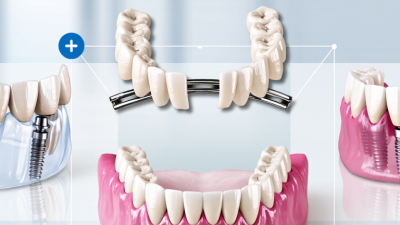
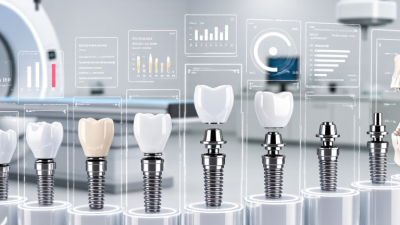
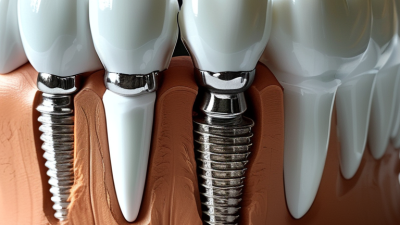
Implant components often require biocompatible metals with stable mechanical performance. Buyers should examine fatigue data, surface treatment, corrosion testing, and traceability records. Ask for verified certificates, batch information, sterilization guidance, and storage limits.

These details matter when products cross borders and enter different clinical systems. Laboratory trials are valuable. A material that performs well in one climate may react differently after transport or storage.

I have seen specifications look excellent on paper, yet handling felt difficult in practice. That gap needs honest review.

Clinicians should compare preparation time, repair options, training needs, and long-term evidence before placing large orders.

No material wins every case.

How Can Buyers Verify Quality, Safety, and Regulatory Compliance?

Global buyers should verify evidence, not attractive claims. The WHO Global Oral Health Status Report 2022 estimates that 2.5 billion people have untreated caries in permanent teeth. It also reports primary-tooth caries in 514 million children. That burden makes material safety a clinical issue.

Request the technical file before placing a large order. It should include composition, specifications, shelf-life data, batch traceability, and certificates of analysis. Check whether testing covers the exact product and intended use. Biocompatibility evidence should follow relevant ISO 10993 methods. Risk controls should align with ISO 14971. An ISO 13485 certificate is useful, but it does not automatically prove product approval. Check its scope, validity, issuing body, and manufacturing site. Check the issuer.

Regulatory verification must match the destination market. Confirm registration, labeling, language, importer details, and post-market reporting requirements with the local authority. Do not assume one market’s clearance works globally. WHO and UNEP’s Global Mercury Assessment 2018 identifies dental applications as a significant intentional mercury use, so chemical composition deserves careful review. Ask for independent laboratory reports when claims seem unusually broad. Some suppliers send certificates with mismatched batch numbers. This is where trust can fail. A practical audit may still miss hidden changes in raw materials, so buyers should schedule periodic retesting and supplier reviews.

How to Choose Advanced Dental Materials for Global Buyers? — How Can Buyers Verify Quality, Safety, and Regulatory Compliance?
Material Category Typical Dental Applications Key Performance Indicators Common Reference Standards Quality Verification Documents Safety and Biocompatibility Checks Regulatory Compliance Evidence Buyer Risk Level
Dental Zirconia Ceramic Single crowns, fixed dental prostheses, implant-supported restorations, frameworks and abutments. Flexural strength: commonly about 500–1,200 MPa depending on zirconia type and test method.
Evaluate translucency, aging resistance, fracture toughness, shade stability and sintering shrinkage.
ISO 6872 ISO 10993 ISO 7405 Lot or batch certificate, flexural-strength test report, density and composition data, dimensional-shrinkage data, aging test results and traceability records. Review residual contamination, heavy-metal limits where applicable, surface finish, sterilization compatibility and biological evaluation for the intended contact duration. Confirm the product classification and technical documentation required in the destination market. Check conformity assessment, labeling, instructions for use and post-market surveillance arrangements. Medium
Performance can vary substantially by formulation, sintering cycle and processing parameters.
Lithium Disilicate Glass-Ceramic Anterior and posterior crowns, veneers, inlays, onlays and short-span restorations. Flexural strength: commonly about 250–500 MPa, depending on the product and test method.
Assess translucency, crystallization accuracy, marginal fit, bonding compatibility and fracture resistance.
ISO 6872 ISO 10993 ISO 7405 Product specification, batch test report, crystallization instructions, thermal-cycle data, shade-control documentation and evidence of conformity to the declared ceramic classification. Verify chemical stability, leachable substances, polishing quality and compatibility with recommended etching, priming and resin-cement procedures. Verify intended use, labeling, manufacturing-site quality controls, market-specific registration or listing and authorized technical documentation. Medium
Improper crystallization, adjustment or bonding may reduce clinical performance.
Resin-Based Composite Direct restorations, indirect inlays and onlays, core build-ups, veneers and repair procedures. Flexural strength, flexural modulus, polymerization shrinkage, depth of cure, wear resistance, radiopacity, color stability and water sorption. ISO 4049 ISO 10993 ISO 7405 Batch certificate, viscosity and working-time data, curing-depth report, radiopacity results, wear testing, shelf-life validation and storage-condition records. Review residual monomer, extractables and leachables, allergen information, pulpal-contact limitations, light-curing compatibility and handling precautions. Confirm applicable requirements for dental restorative materials in the destination market, including labeling, safety information, intended-use claims and quality-system evidence. Medium
Clinical results depend strongly on curing energy, placement technique and storage conditions.
CAD/CAM PMMA Polymer Temporary crowns and bridges, diagnostic restorations, try-in devices, denture bases and long-term provisional applications where indicated. Flexural strength, fracture resistance, water sorption, color stability, machinability, bonding behavior and dimensional stability. ISO 10477 ISO 20795-1 ISO 10993 Polymer composition, residual-monomer data, flexural-strength report, milling compatibility, shelf-life evidence, lot traceability and storage requirements. Check residual methyl methacrylate, extractables, odor, tissue-contact duration, polishing requirements and compatibility with relining or repair materials. Confirm whether the material is intended for temporary, permanent or laboratory use and verify that market-specific claims match the technical file and labeling. Medium
Do not treat a provisional material as a permanent restorative material unless its intended use supports that application.
Titanium and Titanium Alloys Dental implants, abutments, implant bars, orthodontic components and prosthetic frameworks. Chemical composition, tensile and yield strength, fatigue performance, corrosion resistance, surface roughness, dimensional accuracy and connection precision. ISO 22674 ISO 10993 ISO 5832 series ISO 7405 Material grade certificate, chemical-analysis report, mechanical test results, corrosion testing, surface-treatment records, sterilization validation and lot traceability. Evaluate nickel and other alloying elements where relevant, corrosion products, particulate contamination, surface residues and compatibility with sterilization and cleaning processes. Verify implant or prosthetic-component classification, manufacturing controls, clinical or performance evidence, labeling, traceability and applicable market authorization. High
Implantable or load-bearing products require strong evidence of manufacturing consistency and biological safety.
PEEK and Other High-Performance Polymers Prosthetic frameworks, implant-supported components, temporary or definitive restorations where specifically indicated, and selected orthodontic or laboratory applications. Flexural strength and modulus, fatigue resistance, wear, dimensional stability, water absorption, radiolucency, surface energy and bonding performance. ISO 10993 ISO 7405 ISO 22674 where applicable Polymer-grade certificate, mechanical and fatigue data, thermal history, surface-treatment validation, bonding instructions, sterilization data and traceability records. Review additives, pigments, processing residues, extractables and leachables, wear particles, tissue-contact duration and compatibility with veneering materials. Confirm the exact intended use because regulatory status can differ between laboratory blanks, prosthetic components and implantable products. Require market-specific technical documentation. High
Evidence must match the exact grade, processing method and clinical application.
Glass Ionomer and Resin-Modified Glass Ionomer Luting, lining, bases, cervical restorations, atraumatic restorative procedures and selected pediatric applications. Acid-base reaction, fluoride release, compressive strength, film thickness, working and setting time, solubility, adhesion and moisture tolerance. ISO 9917-1 ISO 10993 ISO 7405 Setting-time report, film-thickness data, compressive-strength results, fluoride-release profile, powder-liquid ratio, shelf-life validation and lot certificate. Check acidity during setting, residual monomer for resin-modified types, pulp-protection guidance, moisture sensitivity and allergen information. Verify intended use, mixing or dispensing instructions, labeling, storage conditions, quality-system controls and destination-market conformity requirements. Medium
Performance is sensitive to powder-liquid ratio, moisture control and handling time.
Dental Adhesive and Resin Cement Bonding of indirect restorations, veneers, posts, orthodontic attachments and restorative components. Bond strength, polymerization conversion, film thickness, water sorption, solubility, working time, radiopacity and compatibility with ceramic, metal and polymer substrates. ISO 4049 ISO 10993 ISO 7405 Bond-strength testing, curing-depth data, compatibility matrix, mixing-ratio verification, dispenser validation, shelf-life records and temperature-storage data. Review residual monomers, skin and eye irritation data, pulpal-contact precautions, photoinitiator sensitivity, oxygen-inhibition effects and moisture-control requirements. Ensure intended-use claims are supported by technical evidence and that instructions cover curing equipment, substrate preparation, storage and disposal requirements. High
Bonding failure may result from incompatibility between the cement, substrate, primer and curing system.
Buyer verification note: Performance values shown are typical indicative ranges or evaluation criteria, not universal acceptance limits. Buyers should request current, lot-specific evidence from the supplier and confirm that testing was performed using the applicable standard, test method, specimen geometry and intended clinical application. Regulatory requirements vary by destination market; certificates, registrations and conformity documents should be independently checked for validity and scope.

How Should Global Buyers Evaluate Suppliers and Total Costs?

Global buyers should evaluate dental material suppliers through evidence, not polished catalogs.

The WHO Global Oral Health Status Report (2022) estimates that nearly 3.5 billion people live with oral diseases. That scale makes consistent quality a procurement requirement, not a preference. Ask for batch records, certificates of analysis, shelf-life data, and documented change-control procedures. ISO 13485 certification can support confidence, but it does not replace independent verification or clinical suitability checks.

Total cost includes more than the quoted unit price. Build a landed-cost model covering tooling, minimum order quantities, testing, freight, insurance, customs, storage, rejects, and local technical support. The World Bank’s Logistics Performance Index 2023 assesses 139 economies across customs, infrastructure, shipment reliability, tracking, and timeliness. Use these dimensions when comparing delivery risk between suppliers. A cheaper material can become expensive after temperature damage, delayed clearance, or repeated quality inspections. Small details matter.

Request samples from different production batches. Compare viscosity, curing behavior, shade stability, packaging integrity, and labeling accuracy under realistic conditions. Ask how complaints are investigated and how quickly corrective actions are documented. I have seen buyers focus too heavily on certificates. That is a weakness. Certificates age, while supply chains change. A supplier may look reliable during an audit, yet perform poorly during a sudden demand increase. Score responsiveness and transparency, not just price. Leave room for doubt; procurement models are useful, but they are never perfect.