Skip to Content
chevron-left chevron-right chevron-up chevron-right chevron-left arrow-back star phone quote checkbox-checked search wrench info shield play connection mobile coin-dollar spoon-knife ticket pushpin location gift fire feed bubbles home heart calendar price-tag credit-card clock envelop facebook instagram twitter youtube pinterest yelp google reddit linkedin envelope bbb pinterest homeadvisor angies

10 Best Dental Prosthetic Solutions for Global Buyers?

Choosing among the 10 best Dental prosthetic solutions takes more than comparing prices. Global buyers must weigh clinical purpose, material quality, precision, durability, and after-sales support. A crown, denture, bridge, or implant-supported restoration serves a different need. The right choice depends on the patient, the clinician’s plan, and the laboratory’s capabilities.

Prosthodontist and implant dentistry authority Carl E. Misch described a key treatment goal as restoring “function, comfort, esthetics, speech, and health.” That standard remains useful when assessing products and suppliers. Buyers should ask about material traceability, manufacturing controls, fit tolerances, repair options, and technical documentation. They should also confirm that products meet the requirements of the markets where they will be used. Details matter. A well-finished surface and accurate contact points can affect comfort and maintenance. Yet a polished catalogue cannot prove clinical performance.

No single solution suits every case. And no supplier is flawless. This guide compares common options through practical criteria, not promotional claims. It highlights trade-offs, including cost, customization, lead time, and ongoing support. Some evidence may be difficult to compare across manufacturers, so buyers should request clear records and consult qualified dental professionals. The best decision is rarely the cheapest one. It is the option that fits the treatment plan, can be verified, and can be supported over time.
10 Best Dental Prosthetic Solutions for Global Buyers?

What Dental Prosthetic Solutions Are and Who They Serve

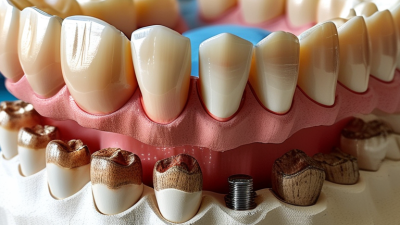
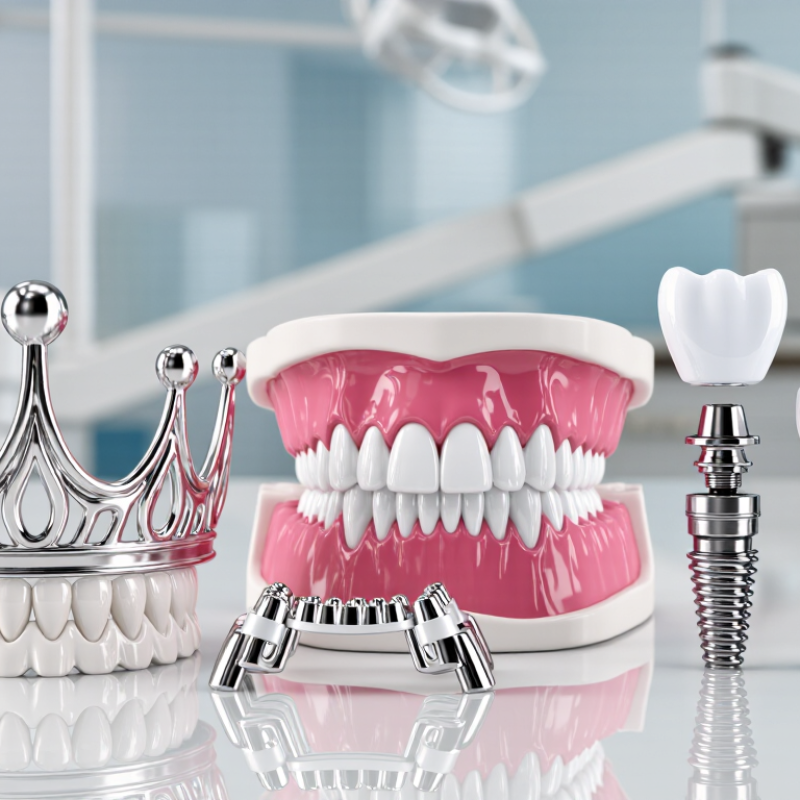
Dental prosthetic solutions are custom-made or adapted devices that replace missing teeth or restore damaged tooth structure. They include crowns, bridges, partial and full dentures, and restorations attached to dental implants. The right option depends on oral health, bite, remaining teeth, and a clinician’s examination. No single design suits everyone.

These solutions serve people with tooth loss, severe wear, fractures, or treatment-related changes. A crown may cover a weakened tooth; a bridge can fill a gap using neighboring teeth for support. Dentures can restore several teeth, while implant-supported options require clinical assessment and ongoing care. Fit matters in daily life: a denture that rubs one spot can affect eating and speech.

Dental professionals use these devices to support chewing, appearance, and oral function. Laboratories fabricate them from prescriptions, scans, or impressions. Global buyers may include clinics, laboratories, distributors, and care systems comparing materials, turnaround, documentation, and repair support. Those details deserve scrutiny. A low purchase price does not show whether a product fits local workflows or patient needs. The category is not perfectly tidy; similar names can describe different designs. Buyers should confirm specifications with qualified clinicians and suppliers, while patients need follow-up for fit and hygiene.

How the Main Types of Dental Prostheses Differ

Dental prostheses differ mainly in how they replace teeth and what supports them. A crown covers a damaged tooth, while a bridge fills a gap by attaching to neighboring teeth or implants. These fixed options stay in place during eating and speaking. Fit matters.

Removable partial dentures replace several missing teeth and clasp onto remaining teeth. Complete dentures rest on the gums when all teeth in an arch are missing. Both can be taken out for cleaning, though new users may need time to adjust to speaking and chewing. They may also need changes as the mouth’s shape shifts.

Implant-supported crowns, bridges, or dentures use posts placed in the jawbone for support. They can reduce movement, but suitability depends on factors such as bone volume, gum health, medical history, and cleaning habits. A dental professional may use an examination and imaging to compare options. Even these categories can blur: some dentures combine implant support with removable parts. The right choice is not always obvious, and maintenance needs deserve careful discussion before treatment.

10 Best Dental Prosthetic Solutions for Global Buyers? - How the Main Types of Dental Prostheses Differ
Comparison of common prosthetic options. Suitability depends on clinical examination, oral health, anatomy, and the treating dentist’s recommendation; this table is not a clinical ranking.
Prosthetic solution Support and retention Common materials Typical use Key considerations
1. Tooth-supported crown Cemented onto a prepared natural tooth. Zirconia, lithium disilicate, porcelain-fused-to-metal, or metal alloys. Restores a damaged or heavily filled tooth when enough healthy tooth remains to support a crown. Usually requires reshaping the tooth. Material choice depends on location, bite forces, appearance, and clinical needs.
2. Tooth-supported fixed bridge Cemented to natural teeth adjacent to a gap; replacement tooth or teeth are joined to the supporting crowns. Zirconia, porcelain-fused-to-metal, or metal alloys. Replaces one or more missing teeth when suitable supporting teeth are present. Supporting teeth are generally prepared. Cleaning beneath the replacement teeth requires special care.
3. Implant-supported single crown A crown attaches to an implant placed in the jawbone, commonly through an abutment. Titanium or zirconia implant components; crown commonly made from zirconia or ceramic materials. Replaces a single missing tooth without using adjacent teeth as bridge supports. Requires surgery and assessment of bone and overall health. Treatment and healing timelines vary.
4. Implant-supported bridge A fixed bridge is retained by two or more implants, depending on the case design. Zirconia, metal-ceramic, or other clinician-selected restorative materials. Replaces several adjacent missing teeth using implants for support. Planning considers bone volume, implant positions, bite forces, hygiene access, and whether grafting is needed.
5. Complete removable denture Rests on the gums and underlying tissues; retention varies with fit and anatomy. Typically an acrylic resin base with acrylic or other denture teeth. Replaces all teeth in the upper or lower jaw when no natural teeth remain in that arch. Removable for cleaning. Fit can change as the jaw and gums change; adjustments or relining may be needed.
6. Removable partial denture Supported by remaining teeth and oral tissues; may use clasps or precision attachments. Acrylic resin, cobalt-chromium framework with resin, or other case-appropriate designs. Replaces some missing teeth when natural teeth remain in the arch. Must be removed for cleaning. Design and support depend on the remaining teeth and the distribution of gaps.
7. Implant-retained overdenture A removable denture connects to implants using attachments such as studs or a bar. Usually an acrylic denture with metal or polymer attachment components. Provides implant-assisted retention for a removable full denture. The denture is removable for cleaning. Attachments can require maintenance, and implant suitability must be assessed.
8. Implant-supported fixed full-arch prosthesis A full-arch prosthesis is attached to multiple implants and is generally removed by a dental professional for maintenance. A metal framework with acrylic teeth, or a monolithic or layered ceramic design, depending on the system and case. Replaces most or all teeth in an arch with a fixed implant-supported option. Needs careful surgical and restorative planning, daily cleaning access, and ongoing professional maintenance.
9. Inlay or onlay Bonded or cemented into a prepared area of a natural tooth; an onlay may cover one or more cusps. Ceramic, resin composite, or gold alloy. Restores moderate tooth damage when a filling may be insufficient and a full crown may not be required. The choice between an inlay, onlay, and crown depends on the amount and location of remaining tooth structure.
10. Porcelain veneer A thin shell is bonded to the front surface of a natural tooth. Usually dental ceramic, including porcelain or glass-ceramic materials. Changes the appearance of selected front teeth, such as their shape or color, when clinically appropriate. Often involves some enamel preparation and is not a substitute for treating active decay or gum disease.

What Buyers Should Consider When Comparing Options

When comparing dental prosthetic solutions, buyers should look beyond the quoted unit price. Check material composition, fit requirements, expected service life, repair options, and the process for handling remakes. Ask for technical documentation and clear instructions for storage and transport. Fit matters most. A low-cost restoration can become expensive if adjustments or replacements are frequent.

The World Health Organization’s 2022 Global Oral Health Status Report estimates that oral diseases affect about 3.5 billion people worldwide. It also reports complete tooth loss in nearly 7% of the global population and about 23% of people aged 60 or older. These figures underline the need to match prosthetic design to patient needs, not simply to market demand. For material comparisons, ask whether testing and documentation align with relevant standards, such as ISO 6872 for dental ceramics or ISO 22674 for metallic materials. Standards help structure comparison; they do not guarantee a perfect clinical result.

Buyers should also evaluate production consistency, traceability, delivery timelines, and technical support across time zones. Request sample documentation, not just polished product photographs. Confirm how shade, fit, and component specifications are communicated before production. I would still leave room for uncertainty: even detailed specifications may not capture every adjustment needed chairside. Check the return and remake terms in writing, and compare total costs over the expected treatment period.

Ten Dental Prosthetic Solutions for Global Buyers

Ten dental prosthetic solutions serve different clinical needs. Crowns cover damaged teeth and restore shape and function. Fixed bridges replace one or more missing teeth by attaching to supporting teeth or implants. Partial dentures replace several missing teeth while preserving remaining teeth. Complete dentures restore an entire upper or lower arch. Fit matters: pressure spots can make even a well-made denture uncomfortable.

Implant-supported single crowns replace individual teeth, while implant-supported bridges restore several teeth together. Implant overdentures attach to implants for added retention, though they still require regular cleaning and professional review. Inlays and onlays repair parts of a tooth when a full crown may not be needed. Temporary restorations protect prepared teeth during treatment. Maxillofacial prostheses can replace or support facial and oral structures after injury or surgery. Small details matter.

For global buyers, compare material specifications, manufacturing tolerances, documentation, and the process for handling remakes. Ask how each solution is evaluated for bite, fit, and intended use. A catalogue cannot confirm suitability for an individual patient; a qualified dental professional must assess the case. And one thing is easy to overlook: delivery speed means little if communication about measurements is unclear. Planning can still go wrong.

How to Assess Suppliers, Standards, and Aftercare

10 Best Dental Prosthetic Solutions for Global Buyers?
How to Assess Suppliers, Standards, and Aftercare

Choosing a dental prosthetic supplier involves more than comparing prices. Ask how the supplier verifies material composition, production steps, and final fit. Request current quality certificates, then confirm their scope covers the products you plan to purchase. Standards such as ISO 13485 may be relevant, but requirements vary by product and destination market. Check the details.

A reliable supplier should provide clear product specifications, traceability records, and realistic lead times. Ask how they handle remakes, damaged shipments, and fit concerns. For example, clarify whether support includes reviewing a scan or coordinating an adjustment with your dental professional. Aftercare matters. A polished catalogue cannot show how quickly problems are resolved. If answers are vague, pause and request written details. Even experienced buyers can miss small differences between product lines.

Tips: Compare samples using the same checklist. Confirm who pays for adjustments and shipping. Keep approval records. One caveat: certificates alone do not guarantee a good clinical result; suitability should be assessed by qualified dental professionals.

10 Key Checks for Global Dental Prosthetic Buyers

Example buyer-defined weighting for comparing suppliers—not a market survey or ranking of prosthetic products.

Use these weights as a starting point, then adjust them for your market, product type, and regulatory requirements. Verify applicable standards, traceability, clinical evidence, and aftercare arrangements directly with each supplier.