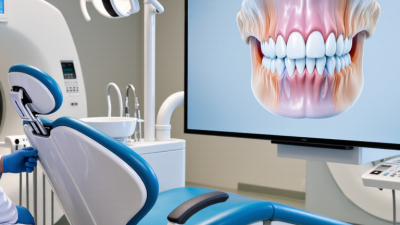
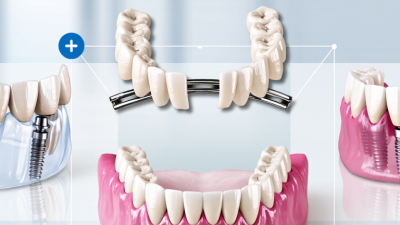
What Are Full Arch Restorations and What Types Exist?
Full arch restorations replace or support most teeth in the upper jaw, lower jaw, or both. They can restore chewing, speech, and a natural-looking smile when many teeth are missing or cannot be predictably saved. The treatment is not one-size-fits-all. A removable denture, an implant-retained overdenture, and a fixed implant-supported bridge are different options, each with distinct benefits and care requirements.
As implant dentistry authority Carl E. Misch wrote, “The goal of implant dentistry is to restore the patient to normal contour, function, comfort, esthetics, speech, and health.” That is a useful standard, not a promise of identical results. A clinician assesses oral health, bone volume, medical history, and the patient’s goals before recommending a design. In some cases, additional procedures or a staged plan may be needed. A detailed examination matters.
Some restorations rest on the gums and can be removed for cleaning. Others attach to implants and may be removable or fixed, depending on the design. A fixed bridge can feel stable during meals, while an overdenture may be easier to remove and clean. But fixed does not mean maintenance-free. Imagine brushing around small spaces beneath a bridge; daily cleaning and regular professional reviews remain essential. The right choice depends on clinical findings, budget, comfort, and long-term maintenance. Even careful planning cannot erase every uncertainty, so patients should discuss risks, alternatives, and realistic expectations with a qualified dental professional.
Definition and Purpose of Full Arch Restorations
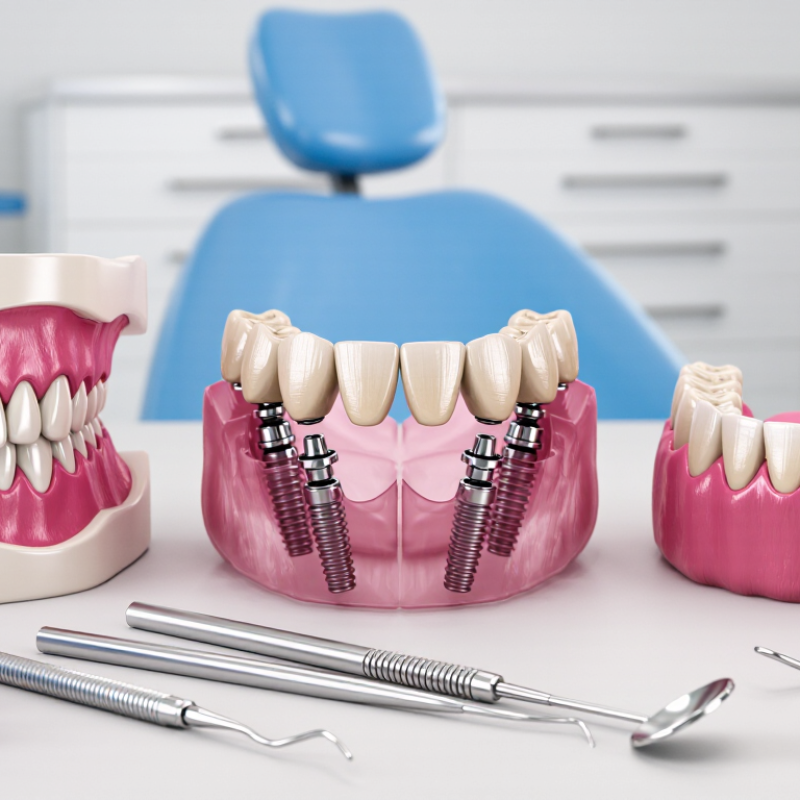
A full arch restoration is treatment that rebuilds or replaces most or all teeth in the upper jaw, lower jaw, or both. It may use a removable denture, a fixed bridge supported by dental implants, or a combination of approaches. The purpose is practical: to help a person chew more comfortably, speak clearly, and maintain a natural-looking smile. It can also restore support for the lips and cheeks when many teeth are missing. Small details matter.
The right plan depends on the condition of the gums, jawbone, remaining teeth, and overall health. A dental professional may examine the mouth, take images, and discuss daily habits before recommending treatment. Some people may need gum care or bone grafting before implants can be placed. Others may be better served by a removable option. Full arch does not mean one standard procedure.
The phrase can make the process sound tidy; real mouths are less tidy. Treatment may involve several visits, healing time, and adjustments to the bite or fit. A restoration also needs regular cleaning and professional checkups. It can improve function, but it does not restore natural teeth or remove every limitation. Expectations should be discussed clearly, including maintenance, costs, and possible complications.
When Full Arch Restoration May Be Recommended
When Full Arch Restoration May Be Recommended
Full arch restoration may be considered when most or all teeth in one jaw are missing, severely damaged, or unlikely to remain healthy. Common causes include advanced decay, severe gum disease, injury, or repeated dental problems. Chewing may feel uneven. Speech can change. Removable dentures may also feel loose or uncomfortable, but discomfort alone does not mean that surgery is the best option.
A dental professional will assess the remaining teeth, gums, jawbone, health history, and daily hygiene habits. They may use dental imaging to check bone levels and plan suitable treatment. Depending on the findings, options can include implants supporting a fixed bridge or a removable restoration. Sometimes saving some natural teeth is more appropriate. The decision can be less straightforward than it first seems, and a careful discussion of benefits, limitations, maintenance, and costs matters.
Tips: Ask what findings make full arch treatment suitable in your case. Discuss healing time, cleaning under the restoration, and what happens if a component needs repair. Bring a list of medicines and health conditions to your appointment. Take time to compare options; a second opinion can help when the plan feels unclear.
Main Types of Full Arch Restorations
A full arch restoration replaces most or all teeth in the upper or lower jaw. The main types differ in how they stay in place and whether you can remove them. A conventional complete denture rests on the gums. It needs no implants, but fit can change as the jaw and gums change over time.
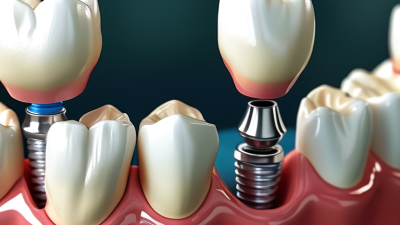
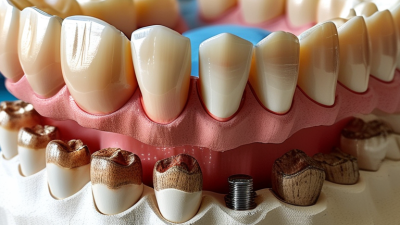
An implant-retained overdenture attaches to implants but can be removed for cleaning. It may feel more secure than a traditional denture, though the number and position of implants vary. A fixed implant-supported bridge is secured to implants and is removed by a dental professional, not by the wearer. It can feel more like fixed teeth, but cleaning beneath it takes practice. Materials and treatment plans differ. Fit matters. A clinician should assess gum health, bone volume, bite, and medical history before recommending an option; sometimes extra steps are needed, and that can be frustrating.
Tips: Ask how each option affects eating, cleaning, repairs, and future adjustments. Request a clear maintenance plan, including how to clean beneath a fixed bridge. Bring up practical concerns, such as hand strength or travel. Small details matter.
Main Types of Full-Arch Restorations
Typical number of dental implants used to support common implant-based options
Implant-retained overdentures are removable by the patient, while fixed full-arch prostheses stay in place and are removed by a dental professional. The ranges shown are common planning ranges, not requirements; the suitable design and implant count depend on factors such as jaw anatomy, bone, and treatment plan.
Materials and Treatment Methods Used
Full arch restorations replace most or all teeth in one jaw. Material choices depend on bite force, bone support, appearance, and cleaning needs. A fixed restoration may use a titanium framework with acrylic teeth or a ceramic structure, such as zirconia. Acrylic can be lighter and easier to repair, but may wear or stain over time. Ceramic often resists staining, though repairs can be more complex. No material suits every mouth.
Treatment usually begins with an examination, dental imaging, and a review of medical history. If implants are appropriate, they are placed in the jawbone to support a fixed bridge or a removable overdenture. Some patients need extractions, bone grafting, or time for healing before the final restoration. A temporary set of teeth may be used during this period. The timeline varies. Bite alignment matters, too; even a well-made restoration can feel uncomfortable if pressure is uneven. I would not assume the first plan is always the best one—ask what alternatives fit your bone and daily cleaning routine.
Tips: Ask how each material may wear, how repairs are handled, and what home care is needed. Use small interdental brushes or other tools recommended by your dental team. Keep follow-up visits, even when everything feels fine.
Factors That Influence the Choice of Restoration
Choosing a full arch restoration depends on more than the number of missing teeth. A dentist will assess gum health, jawbone volume, bite forces, and any remaining teeth. Imaging and an examination help show whether implants can be placed safely and where support is needed. Health conditions, medications, and smoking can also affect healing. Small details matter.
A fixed implant-supported bridge may suit someone seeking teeth that stay in place, but it requires surgery, careful cleaning, and enough bone or additional treatment. An implant-retained overdenture can be removed for cleaning and may offer more stability than a conventional denture. A conventional denture avoids implant surgery, though it may shift during eating or speaking. Each option has trade-offs.
Daily routines count. Someone with limited hand mobility may find cleaning beneath a fixed bridge difficult, while another person may prefer not to remove dentures at night. Budget, treatment time, comfort, and the ability to attend follow-up visits also shape the decision. There is no universal best choice. This part can feel less tidy than brochures suggest: a dentist should explain likely maintenance, risks, and alternatives in plain language, then tailor recommendations to the patient’s examination and priorities.
What Are Full Arch Restorations and What Types Exist? - Factors That Influence the Choice of Restoration
A full arch restoration replaces or rehabilitates most or all of the teeth in the upper or lower jaw. The options below differ in how they are supported, removed, maintained, and planned.
| Restoration type |
Support and design |
Common materials |
When it may be considered |
Main considerations |
| Complete removable denture |
Rests on the gums and underlying jaw ridge; the patient removes it for cleaning. |
Acrylic denture base with denture teeth, commonly acrylic resin. |
When all teeth in an arch are missing, or when a removable, non-implant option is preferred. |
Does not require implant surgery, but retention and stability can vary with ridge shape and oral tissues. May need adjustments or relining as the mouth changes. |
| Implant-retained overdenture |
A removable denture connects to implants using attachments; the patient removes it for daily cleaning. |
Acrylic denture base and teeth with implant attachments; design varies by case. |
When added retention or stability is desired compared with a conventional denture, and implant treatment is suitable. |
Requires implant placement and ongoing maintenance of the denture and attachments. The number and position of implants depend on the jaw, bone, and treatment plan. |
| Fixed implant-supported full-arch prosthesis |
Attached to multiple dental implants and generally removed only by a dental professional for maintenance. |
May use an acrylic-resin prosthesis on a supporting framework, or a ceramic-based material such as zirconia; the design varies. |
When a patient seeks a fixed replacement and clinical examination confirms that implant treatment is appropriate. |
Requires surgery, careful planning, and daily cleaning around the prosthesis. Bone volume, bite forces, healing, maintenance needs, and cost can affect suitability. |
| Tooth-supported full-arch fixed bridge |
Uses remaining natural teeth as supporting abutments; it is fixed in place and removed by a dental professional. |
May be made from metal-ceramic or all-ceramic materials, depending on the design and clinical requirements. |
When enough suitable natural teeth remain and can support a bridge across the arch. |
Abutment teeth must be healthy and structurally suitable. Treatment may involve preparing supporting teeth, and the bridge needs careful cleaning and ongoing review. |
Factors That Influence the Choice of Restoration
| Factor |
Why it matters |
How it may influence the options |
| Remaining teeth and their condition |
The number, position, and health of natural teeth determine whether they can reliably support a bridge. |
Healthy, well-positioned teeth may make a tooth-supported bridge possible. If the arch is edentulous or teeth cannot be retained, a denture or implant-supported option may be assessed. |
| Jawbone and oral anatomy |
Bone volume and shape, gum tissues, and nearby anatomical structures affect implant planning and denture fit. |
Imaging and examination help determine whether implants are feasible and what design may be appropriate. Bone grafting may be discussed in some cases. |
| General health and healing |
Medical conditions, medications, smoking, and healing capacity can affect surgical planning and recovery. |
These factors may change the timing, risks, or suitability of implant surgery and should be reviewed with the treating dental professional. |
| Cleaning and maintenance |
All full-arch options require ongoing oral hygiene and professional follow-up, but cleaning methods differ. |
A removable option can be taken out for cleaning. Fixed restorations require effective cleaning beneath and around the prosthesis, often with specifically selected aids. |
| Comfort, function, and personal preference |
Patients may have different priorities for removability, stability, speech, chewing, and the feel of a restoration. |
Discussing daily routines and expectations helps compare removable and fixed designs; no single option is best for everyone. |
| Time, cost, and access to care |
Treatment stages, laboratory work, surgery, repairs, and long-term maintenance can differ between options. |
A dentist can explain the expected sequence, fees, maintenance requirements, and alternatives for the individual treatment plan. |
| Bite forces and tooth grinding |
Heavy or uneven forces can affect wear, fractures, and the load placed on teeth or implants. |
Bite assessment may influence material choice, prosthesis design, and whether protective measures such as a night guard are considered. |
Clinical note: The appropriate restoration depends on an individual examination, dental and medical history, and any necessary imaging. A dentist or prosthodontist can explain the benefits, limitations, risks, and maintenance needs of the available options.