
Skip to Content
chevron-left chevron-right chevron-up chevron-right chevron-left arrow-back star phone quote checkbox-checked search wrench info shield play connection mobile coin-dollar spoon-knife ticket pushpin location gift fire feed bubbles home heart calendar price-tag credit-card clock envelop facebook instagram twitter youtube pinterest yelp google reddit linkedin envelope bbb pinterest homeadvisor angies

What Types of Blood Transfusion Machines Are Available?

What Types of Blood Transfusion Machines Are Available?

Blood transfusion technology is becoming more precise, automated, and traceable. The World Health Organization reported approximately 118.5 million blood donations worldwide in 2019. However, collection and processing capacity remains uneven across regions. This gap explains why reliable Blood Transfusion Machines matter in hospitals, blood banks, and mobile donation centers.

The category includes automated blood collection monitors, component separators, cell washers, infusion pumps, blood warmers, and autotransfusion systems. Each machine solves a different clinical problem. A collection monitor measures flow and gently mixes blood with anticoagulant inside the donation bag. A component separator divides whole blood into red cells, plasma, and platelets. A cell salvage system collects and returns a patient’s own blood during surgery. Blood warmers reduce complications when large-volume transfusion is required.

The 2021 WHO Global Status Report on Blood Safety and Availability highlights the importance of quality systems, trained staff, and dependable equipment. Machines alone cannot guarantee safe transfusion. Maintenance records, calibration checks, temperature monitoring, and barcode identification remain essential. Small failures can have serious consequences.

Dr. Jeffrey L. Carson, a recognized transfusion-medicine researcher, has emphasized, “The decision to transfuse should be based on clinical factors, not solely on hemoglobin concentration.” His point also applies to equipment selection. A fast machine is not automatically the best machine. Hospitals must consider patient volume, component types, workflow, staff expertise, and emergency needs. This introduction examines the main machine categories, their practical uses, and the limitations that buyers sometimes overlook. No system is perfect. That deserves honest attention.
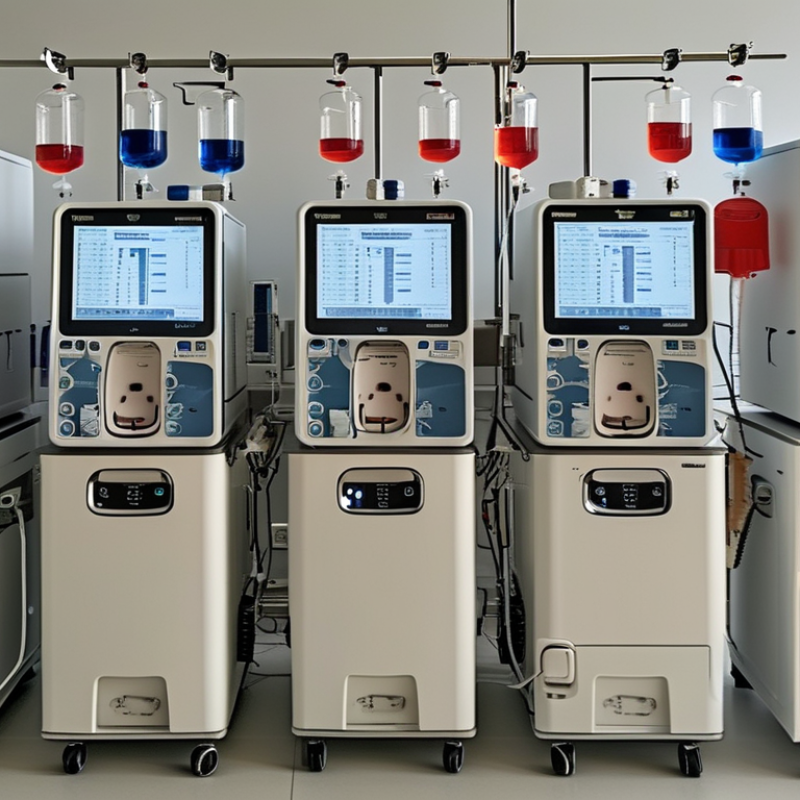
What Types of Blood Transfusion Machines Are Available?

Blood Transfusion Machines: Purpose and Basic Operating Principles

Blood transfusion machines support the controlled delivery of blood and blood components. Their purpose is to maintain a steady flow, protect blood quality, and reduce avoidable handling errors. Some systems use gravity and a calibrated chamber. Others use electronic pumps that regulate flow more precisely. Pressure infusers can help deliver blood quickly during urgent care, while blood warmers raise cold components to a controlled temperature before administration.

The basic process begins with a blood bag, sterile tubing, and a filter. The tubing guides blood through the device and into the patient’s vascular access. Sensors may detect air, blocked lines, unusual pressure, or an empty container. Alarms then alert clinical staff. A warmer transfers heat through a controlled surface, rather than heating the blood directly with uncontrolled energy. This distinction matters.

Operation requires patient identification, compatibility checks, correct tubing, and close observation. Trained professionals usually confirm the settings before starting. They also monitor vital signs during the transfusion. A machine can improve consistency, but it cannot recognize every clinical change. Not every patient needs one. In practice, setup mistakes still happen, especially under pressure. That is why staff should follow local procedures and the device’s validated instructions. The word “automatic” can be misleading. Human judgment remains central.

Whole Blood and Component Separation Machines

What Types of Blood Transfusion Machines Are Available?

Whole Blood and Component Separation Machines

Whole blood and component separation machines support safe, efficient blood processing. They are used after collection and before transfusion. The right equipment depends on blood volume, component needs, and laboratory workflow.

Whole blood collection machines often combine weighing, mixing, and monitoring functions. A mixing tray gently rocks the donation bag during collection. This helps distribute anticoagulant evenly and reduces clot formation. Sensors can stop collection when the target weight is reached. Collection quality still depends on trained staff and careful inspection.

Component separation machines use controlled centrifugation to divide whole blood into red cells, plasma, and platelets. Each component has different storage requirements and clinical uses. Some systems use closed disposable sets, reducing exposure during transfer. Others provide automated separation with adjustable pressure and volume settings. Less manual handling can improve consistency. But automation is not magic.

Experienced technicians check tubing, seals, labels, and programmed settings before processing. They also verify batch records and equipment calibration. Temperature matters. A poorly sealed line can compromise an otherwise usable unit. Platelet preparation may require especially careful timing and gentle handling. Real-world workflows can be rushed, and small errors are easy to miss. Regular training, quality controls, and documented maintenance help reveal those weak points before they affect patient care.

What Types of Blood Transfusion Machines Are Available? — Whole Blood and Component Separation Machines
Machine Type Primary Function Typical Input Main Output or Result Key Operating Features Common Use Important Considerations
Whole Blood Collection and Mixing Device Collects donated whole blood while continuously mixing it with anticoagulant. Whole blood collected into a sterile collection bag containing an approved anticoagulant-preservative solution. Uniformly mixed whole blood with controlled collection volume. Weight-based monitoring Agitation Collection-volume control Flow monitoring Whole blood donation and blood-collection centers. Accurate weighing and mixing help reduce clot formation and maintain the intended blood-to-anticoagulant ratio. The device does not separate components by itself.
Manual Blood Component Extractor Expresses separated blood components from a centrifuged whole-blood collection set. Whole blood that has been centrifuged to form layers of red cells, plasma, and, when applicable, the buffy coat. Transferred components such as red blood cells, plasma, and platelet-rich plasma. Mechanical pressing Adjustable pressure Visual layer alignment Closed-system transfer Blood banks with low to moderate component-processing volumes. Separation quality depends on centrifugation, operator technique, tubing alignment, and correct identification of the blood layers.
Automated Blood Component Separator Separates centrifuged whole blood and transfers selected components according to programmed settings. centrifuged whole-blood units in a compatible multi-compartment collection set. Standardized red-cell, plasma, platelet, or buffy-coat components, depending on the processing protocol. Programmable pressure Optical or interface sensing Automated clamping Traceability records Medium- and high-throughput component-processing laboratories. Automation can improve consistency and reduce handling, but the system must be validated for the specific collection-set configuration and processing method.
Apheresis Blood Cell Separator Separates selected blood components from a donor or patient and returns the remaining components during the same procedure. Blood drawn continuously or intermittently through a sterile disposable tubing set. Single-donor platelets, plasma, red blood cells, or combinations of components. Centrifugal separation Real-time flow control Anticoagulant infusion Component return Collection of apheresis platelets, therapeutic plasma exchange, red-cell exchange, and selected therapeutic procedures. Requires trained operators, donor or patient monitoring, sterile disposable sets, and management of anticoagulant-related effects such as citrate reactions.
Platelet-Rich Plasma Processing System Processes whole blood to obtain platelet-rich plasma for further platelet preparation. Centrifuged whole blood or a platelet-rich intermediate from a validated collection process. Platelet-rich plasma, which may be further processed into a platelet component. Controlled expression Component transfer Closed processing Preparation of platelet components in facilities using a platelet-rich-plasma workflow. Platelet yield and residual leukocyte levels depend on the collection system, centrifugation conditions, processing sequence, and storage practices.
Buffy-Coat Separation System Concentrates the leukocyte- and platelet-rich buffy coat layer from centrifuged whole blood. Centrifuged whole-blood units, commonly processed using a multi-unit buffy-coat workflow. Buffy-coat platelet pools or intermediate components for additional processing. Layer-specific extraction Pooling capability Controlled transfer High-volume blood-component laboratories producing pooled platelet preparations. Pooling requires strict identification, compatibility, aseptic technique, and quality-control procedures. Further leukoreduction may be required by local policy.
Red Blood Cell Washing Machine Removes plasma, residual proteins, and selected soluble substances from red blood cell components. Stored or prepared red blood cell units suspended in a sterile washing solution. Washed red blood cells with reduced residual plasma and a new storage suspension. Automated washing cycles Centrifugation Saline or approved solution use Closed-system processing Selected patients with clinically significant reactions to plasma proteins or for specialized transfusion protocols. Washing can shorten the allowable post-processing storage period and must be performed under validated time, temperature, sterility, and quality-control conditions.
Leukocyte Reduction Filtration System Reduces residual white blood cells from red-cell or platelet components by filtration. Red blood cell or platelet component connected to a validated leukocyte-reduction filter. Leukoreduced blood component with a substantially lower leukocyte content. Depth filtration Gravity or pressure flow Integrated tubing Quality verification Routine prestorage or bedside leukocyte reduction, depending on local policy and the validated product system. Filtration performance is affected by component temperature, flow rate, filter design, and correct priming or setup. It is not a substitute for pathogen reduction.
Plasma Thawing and Warming Device Thaws frozen plasma or warms selected blood components under controlled conditions before transfusion. Frozen plasma or refrigerated blood components in approved containers. Thawed or warmed component ready for inspection and transfusion according to applicable procedures. Controlled temperature Time monitoring Alarm functions Water-bath or dry-heating method Hospital transfusion services, emergency blood release, and operating-room support. Temperature limits and post-thaw storage times must follow the component label, validated procedure, and applicable regulations. Overheating can damage blood products.

Automated Blood Collection and Processing Systems

What Types of Blood Transfusion Machines Are Available?

Automated blood collection and processing systems support safer, more consistent transfusion workflows. They can control collection volume, monitor flow, and record essential donor data. Some systems separate whole blood into red cells, plasma, and platelets. Others focus on one collection task. In practice, the right choice depends on facility size, blood volume, staffing, and local procedures.

During collection, sensors can detect pressure changes, movement, and irregular flow. The machine may pause automatically when readings move outside preset limits. This reduces manual adjustment and helps protect the collected product. After collection, automated centrifugation and component extraction can improve separation accuracy. Integrated weighing systems also support precise volume control. Small errors still matter.

Processing platforms often include barcode identification, sealed tubing, temperature monitoring, and electronic records. These features strengthen traceability from donation to storage. They also reduce repeated data entry, which is a common source of avoidable mistakes. However, automation is not a substitute for trained staff. Operators must inspect tubing, confirm labels, review alarms, and follow validated procedures. A machine can display normal readings while a setup problem remains unnoticed. That limitation deserves attention. Calibration, cleaning, maintenance, and staff competency checks should be documented regularly. Blood safety depends on the whole workflow, not one device.

Devices for Safe Blood Warming and Rapid Transfusion

What Types of Blood Transfusion Machines Are Available?

Blood transfusion machines support two essential tasks: warming blood safely and delivering it quickly. Blood warmers use controlled heat to reduce the risks associated with rapidly infusing cold products. They commonly include temperature sensors, visible displays, and alarms for overheating or poor flow. The target temperature must remain within the limits defined by clinical protocols and product instructions.

Rapid transfusion systems combine warming with high-flow delivery. They may use pressure-assisted pumps, large-bore tubing, air detectors, and automatic shutoff features. These systems are used when a patient needs blood or compatible fluids urgently, such as during major surgery or severe blood loss. Staff must confirm the product, tubing, filter, temperature, and access route before starting. Speed matters, but unchecked speed can create danger.

Small portable warmers can support transport or emergency care, while larger systems suit operating rooms and critical care units. Device selection depends on flow requirements, power access, monitoring features, and staff training. A machine is not a substitute for careful observation. The line can kink. The alarm can be missed. Even a reliable warmer needs regular cleaning, inspection, calibration, and documented maintenance. A useful clinical habit is to check the temperature near the patient, not only on the device display. That extra check may feel repetitive, but it can reveal a problem early.

Choosing a Blood Transfusion Machine for Clinical Needs

What Types of Blood Transfusion Machines Are Available?

Choosing a Blood Transfusion Machine for Clinical Needs

Blood transfusion equipment ranges from gravity-assisted systems to electronic infusion pumps. Pressure infusers support urgent delivery when circulation must be restored quickly. Rapid transfusion systems combine controlled pressure, warming, and high flow for major blood loss. Blood warmers are useful when large volumes could lower the patient’s core temperature. Each device solves a different clinical problem.

Choosing the right machine starts with the patient, not the product catalogue. A stable patient may need accurate, low-rate infusion with clear occlusion alarms. Emergency departments may require higher flow, battery support, and simple controls. Pediatric care demands precise small-volume delivery. The device should match the blood component, tubing, filter, and hospital protocol. Compatibility matters.

Safety features deserve close attention. Look for air-in-line detection, pressure limits, audible alarms, and an accessible emergency stop. Staff should know how to inspect the tubing, confirm settings, and respond to alarms before use. Maintenance records and calibration checks are not optional details. They protect patients.

A practical mistake is choosing maximum flow for every situation. Faster is not always safer. Device performance can change with cold blood, narrow catheters, or poor access. Clinical teams should test workflows during training, then review real incidents without blame. No machine removes the need for patient identification, vital-sign monitoring, and independent verification. Human judgment remains part of the system.