2026 Top Trends in Printing On Aluminium Cans for Global Buyers?
The world of Printing On Aluminium Cans is evolving rapidly. Buyers must stay informed about the latest trends. The market demands innovation and creativity. By understanding emerging technologies and design trends, global buyers can enhance their products.
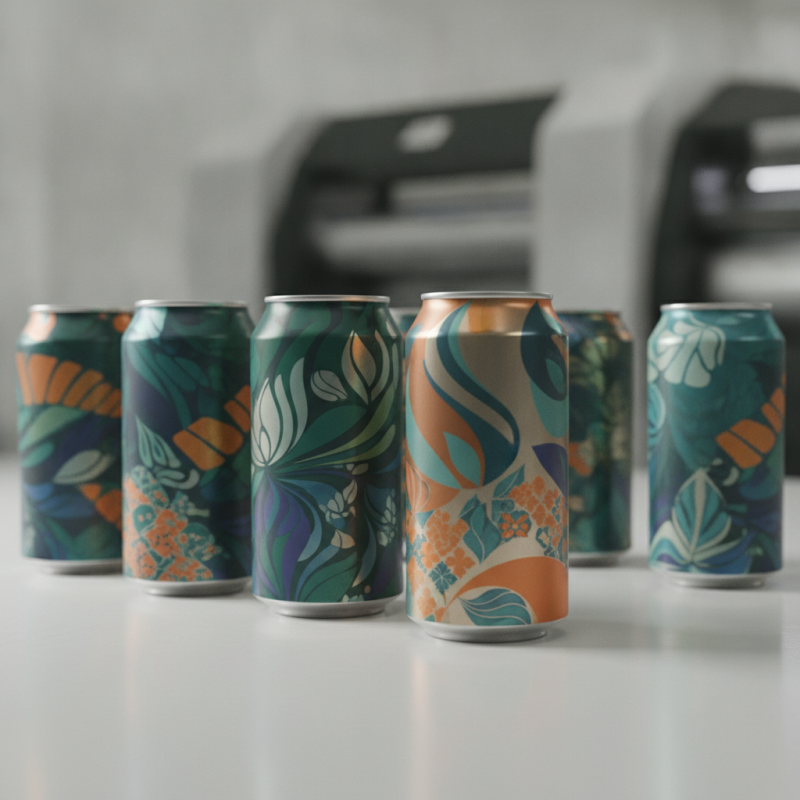
Printing on aluminium cans not only improves aesthetics but also strengthens brand identity. As consumer preferences shift, companies need to adapt. Some trends include eco-friendly inks and innovative finishes. These advancements allow for vibrant designs that attract attention.
However, challenges remain. Maintaining quality while reducing costs is essential. Additionally, there is pressure to keep up with sustainability goals. Companies must navigate these complexities effectively. Embracing change will be key to success in the aluminium can printing market. Global buyers should stay ahead of the curve.
Emerging Technologies in Aluminium Can Printing for 2026
The printing technology for aluminum cans is rapidly evolving. In 2026, several trends are emerging that revolutionize this industry. Key among them is digital printing. According to recent studies, digital printing has grown by over 50% since 2020. This method offers flexibility in design and allows for short runs efficiently.
Industry experts predict that advancements in ink formulations will also play a crucial role. New inks are being developed to resist scratches and UV light. They enhance print quality significantly, ensuring vibrant designs last longer on shelves. Sustainability is central to these changes. Reports indicate that 70% of consumers prefer brands using eco-friendly methods. This shift influences companies to adopt sustainable practices in can printing.
Tips: Ensure your artwork is optimized for digital printing. Higher resolution can prevent blurriness. Consider testing various ink types for durability and appearance. Regular quality checks can help spot inconsistencies early in the printing process. Engaging with tech updates can keep your designs fresh and appealing. Monitoring these trends will ensure your products resonate well with customers in the rapidly changing market.
2026 Top Trends in Printing On Aluminium Cans
This chart illustrates the anticipated adoption rates for the top trends in printing on aluminium cans for 2026. The focus on sustainable practices and smart packaging technologies reflects the industry's move towards environmentally friendly and innovative solutions.
Sustainable Printing Practices for Aluminium Cans: Trends and Innovations
Sustainable practices in printing on aluminium cans are becoming increasingly vital. Consumers demand environmentally friendly products. Brands are now focused on reducing their carbon footprint. This shift encourages innovation in raw materials and processes. Water-based inks, for example, are gaining popularity. They are safer and less harmful than traditional solvents.
New technologies are also emerging. Digital printing allows for smaller runs without waste. This flexibility helps companies adapt to market demands quickly. However, challenges remain. Some sustainable inks may not provide the same vibrancy as conventional options. This inconsistency can affect brand perception.
Companies must continuously evaluate these practices. Finding the right balance between sustainability and quality is crucial. Additionally, the cost of sustainable materials may be higher. But, investing in long-term benefits could outweigh initial expenses. The future will require ongoing advancements in materials and methods. Embracing these innovations may lead to more responsible manufacturing.
Customization and Personalization in Aluminium Can Designs
Customization and personalization are reshaping the landscape of aluminium can designs. Modern consumers crave unique experiences, and custom designs on cans are a perfect fit. From vibrant colors to intricate graphics, brands are embracing creativity. This newfound flexibility allows for tailored marketing messages that resonate deeply with target audiences. As a result, cans are not just containers; they become visual stories that engage consumers.
However, challenges accompany this trend. Balancing unique designs with production costs can be tricky. Many brands struggle to maintain quality while offering custom options. It is vital to find reliable suppliers who understand these needs. Additionally, not every design will appeal to every market. Testing and research become crucial steps before launching a new design. Companies must reflect on which styles resonate most with their audience. Engaging consumers in this way fosters loyalty, but it also demands continuous improvement.
As we look to the future, the significance of personalization in aluminium can designs will only grow. Brands that effectively leverage customization will stand out. They will need to balance innovation with practicality. Small adjustments can lead to significant consumer engagement. It’s an evolving journey that requires attention and adaptability.
Market Demand Influencing Printing Techniques on Aluminium Cans
The market for printing on aluminum cans is experiencing noticeable shifts. According to a recent industry report, the global aluminum can market is expected to reach $75 billion by 2026. This growth is significantly influenced by changing consumer preferences. Sustainability is a major driver. Today's consumers prefer eco-friendly packaging, pushing manufacturers to adopt innovative printing techniques that maintain lower environmental impact.
Digital printing has gained traction due to its efficiency and customization capabilities. Data shows that over 30% of brand owners are embracing it. This method allows for vibrant designs without compromising on production speed. However, some challenges remain. Not all inks are suitable for aluminum, and testing is essential. Brands must balance quality with sustainability, often facing tight deadlines.
Traditional techniques, like offset printing, still hold value but may need refinement. Reports indicate that while 40% of producers use these methods, they may struggle to meet the needs of the evolving market. Adapting to consumer demands requires a flexible approach. Collectively, these trends highlight the need for ongoing innovation in the aluminum can printing sector. Ultimately, brands face the challenge of aligning print quality with sustainable practices.
Global Players and Their Strategies in Aluminium Can Printing Industry
The aluminium can printing industry is witnessing transformative shifts as global players adopt innovative strategies. According to the latest market research, the aluminium can market is projected to reach $92 billion by 2028, with a notable compound annual growth rate (CAGR) of 4.8% from 2021 to 2028. As sustainability becomes imperative, industry leaders are exploring eco-friendly inks and materials. This transition not only reduces environmental impact but also meets consumer demand for greener products.
Companies are investing in advanced printing technologies. Digital printing, for instance, allows for high-quality designs without the need for extensive plate setups. This capability enhances customization, catering to small brands and promoting unique product launches. Data indicates that nearly 30% of beverage brands are shifting towards these advanced methods. However, this swift adoption presents challenges. The initial costs and the learning curve associated with new technologies can deter some manufacturers.
Despite promising growth, market competition intensifies. Global players often struggle with supply chain disruptions as raw material sourcing can be unpredictable. Reports highlight that 40% of industry executives consider supply chain stability a top concern. Companies must develop agile strategies to navigate these uncertainties. Emphasizing collaboration within the supply chain may offer solutions, yet many firms are still hesitant to implement such changes effectively.