Top Removable Denture Solutions for a Confident Smile?
In today's dental landscape, the demand for effective removable denture solutions is on the rise. The American College of Prosthodontists reports that nearly 178 million Americans are missing at least one tooth. These gaps can significantly affect people's confidence and quality of life. Removable dentures provide a practical solution, allowing individuals to smile freely and eat comfortably.
With advances in materials and techniques, modern removable denture solutions offer improved fit and aesthetic appeal. A study from the Journal of Prosthetic Dentistry indicates that well-fitted dentures enhance patient satisfaction by 30%. However, achieving that perfect fit can be challenging and requires expertise. Patients often experience discomfort or dissatisfaction if the dentures are not tailored to their needs.
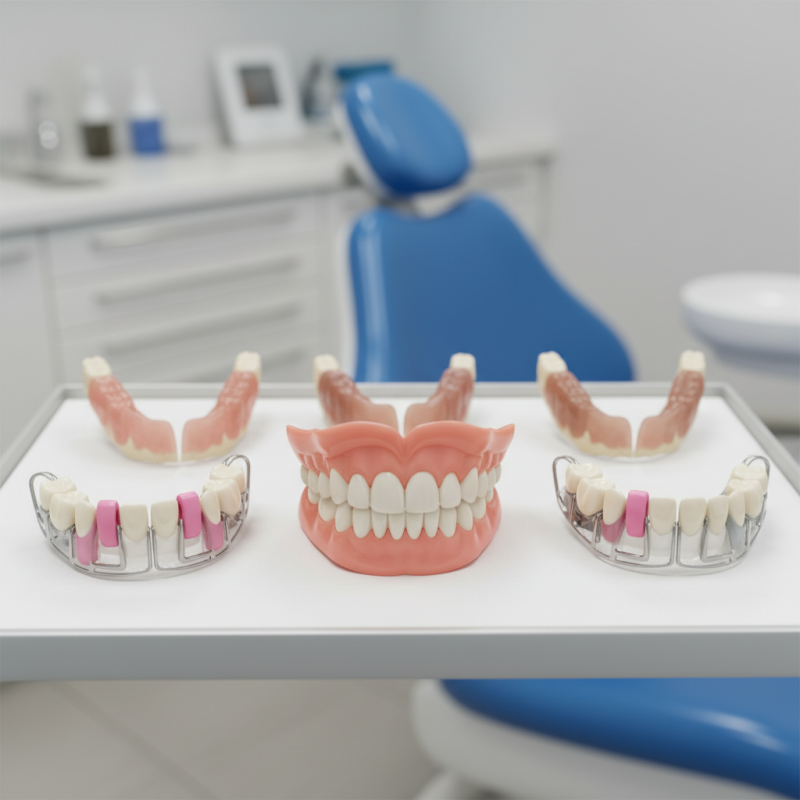
It’s crucial to consider the variety of removable options available. Traditional full and partial dentures can serve diverse requirements. Yet, they are not one-size-fits-all. Continuous innovation in this field addresses gaps in function and comfort. While some patients report positive experiences, others find adjustments necessary. Hence, engaging with qualified dental professionals is essential for a confident and satisfied smile.
Understanding Removable Dentures: Types and Benefits
Removable dentures are a popular solution for individuals experiencing tooth loss. They come in various types, each designed to meet specific needs. Complete dentures are used when all teeth are missing, while partial dentures fill gaps when some natural teeth remain. According to the American College of Prosthodontists, nearly 40 million Americans wear complete dentures, highlighting their significance in oral health.
Benefits of removable dentures include improved speech, enhanced chewing ability, and a boost in confidence. A report from the National Institutes of Health noted that nearly 90% of patients reported satisfaction after receiving dentures. This finding underscores their importance in restoring quality of life. However, it is crucial to maintain them properly. Users must clean them daily to avoid gum disease and other issues.
Tips: Rinse your dentures after meals. Brush them gently like natural teeth. Regular check-ups with a dental professional are essential. Tracking how they fit over time can prevent discomfort. If they feel loose, don’t hesitate to consult a specialist. It’s important to seek adjustments early to avoid complications down the line. Regular care leads to lasting benefits and a confident smile.
Top Removable Denture Solutions for a Confident Smile
This chart illustrates user satisfaction percentages across different types of removable dentures. As shown, Flexible Partial Dentures have the highest satisfaction rate, indicating their popularity among users. Acrylic Partial Dentures and Overdentures also perform well, whereas Complete Dentures have a comparatively lower satisfaction rate.
Key Factors to Consider When Choosing Removable Dentures
When choosing removable dentures, several key factors warrant careful consideration. Fit and comfort rank high on the list. According to a recent study published by the Journal of Prosthetic Dentistry, approximately 25% of denture wearers report discomfort. Factors like bone structure and gum health significantly influence how well dentures fit. Customization based on individual mouth structure can vastly improve user experience.
Another important aspect is functionality. How well can the dentures support daily activities such as eating and speaking? Poorly fitting dentures often lead to difficulties. Research indicates that almost 40% of users encounter speech issues with traditional dentures. Regular follow-ups with dental professionals can help address these concerns. Innovations in material and design have improved the versatility of removable dentures, allowing for better adaptation.
Aesthetics also play a crucial role. A natural appearance boosts confidence, which impacts social interactions. According to the American Dental Association, nearly 60% of individuals with dentures reported that their self-esteem improved significantly after treatment. While some individuals may struggle with the initial adaptation phase, seeking guidance from dental specialists can provide a smoother transition. Identifying the right denture solution is a personal journey that necessitates ongoing reflection and adjustments.
Popular Materials Used in Removable Denture Solutions
Choosing the right materials for removable dentures is crucial for comfort and functionality. Common materials include acrylic resin, which is lightweight and offers a natural appearance. This material can be shaped easily, allowing for a more customized fit. Another popular option is metal, often used in framework designs. While metal can be more durable, it may lack the aesthetic appeal some patients desire.
Some individuals face challenges with these materials. Acrylic, while less expensive, may not last as long as metal options. It can also stain or wear over time. Metal frameworks may offer durability, but they can feel bulky and uncomfortable for some users. Patients must carefully consider their priorities: aesthetics versus longevity and comfort.
Additionally, new materials are continuously being developed, such as flexible plastics. These materials provide a comfortable fit and a natural look. However, they may not be suitable for every patient. Each individual's needs vary significantly. This complexity highlights the importance of consulting a dental professional. They can guide patients in selecting the best material for their unique situation.
Top Removable Denture Solutions for a Confident Smile
| Material |
Durability |
Aesthetic Appeal |
Comfort Level |
Cost |
| Acrylic Resin |
Moderate |
Good |
High |
Low |
| Metal Framework |
High |
Excellent |
Moderate |
Medium |
| Nylon (Flexible) Dentures |
Low |
Very Good |
Very High |
High |
| Composite Materials |
Moderate |
Good |
Moderate |
Medium |
| 3D Printed Dentures |
High |
Excellent |
High |
High |
Maintaining and Aftercare for Removable Dentures
Caring for removable dentures is essential to maintain oral health and ensure a confident smile. Begin by cleaning your dentures daily. Use a soft-bristle toothbrush and a gentle cleanser. Rinse them thoroughly to remove any residue. This practice not only keeps dentures clean but also prevents bacterial growth.
Storing dentures properly is equally crucial. Always place them in a safe, moist environment when not in use. Dry dentures can warp, affecting their fit. Regular check-ups with a dental professional are important for adjustments. This helps prevent discomfort and ensures optimal functionality.
Some users may feel uneasy about their dentures at first. It can take time to adjust to speech and chewing. Be patient and practice speaking out loud. If you experience persistent discomfort, consult your dentist. They can provide guidance and reassurance. Prioritizing these aftercare steps leads to a more pleasant experience with removable dentures.
Exploring Alternatives to Traditional Removable Dentures
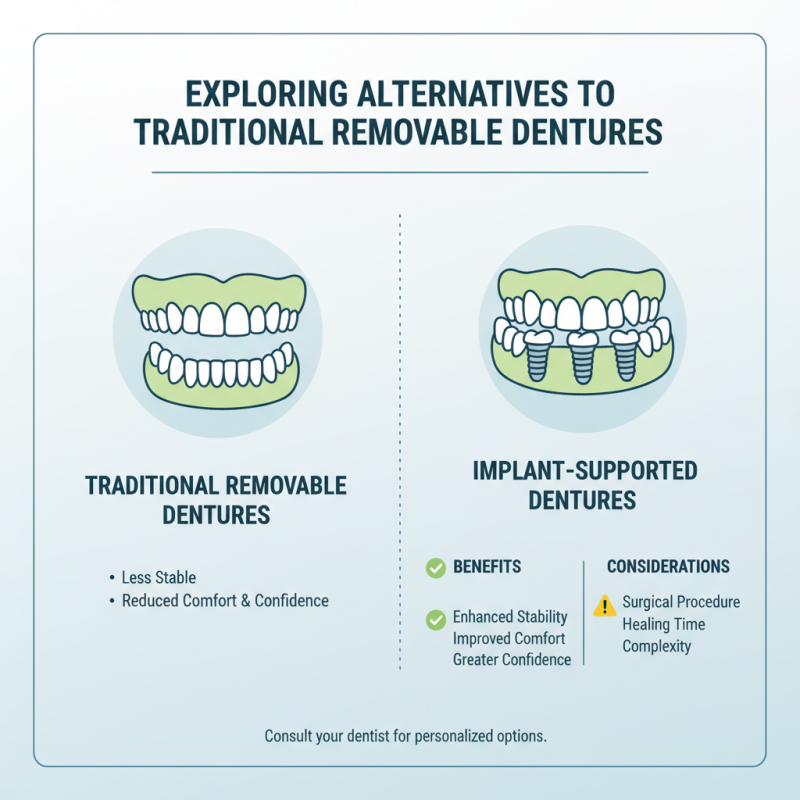
When considering alternatives to traditional removable dentures, various options can enhance oral function and appearance. Implant-supported dentures provide stability that traditional models often lack. These dentures attach to dental implants, ensuring they stay securely in place. Patients enjoy improved comfort and confidence. However, the procedure can be complex. It requires surgery and healing time, which some might find daunting.
Another alternative is flexible partial dentures. Unlike standard options, these are made from a softer material, making them easier to wear. Their design can adapt to the remaining healthy teeth, providing a more natural look. Yet, they might lack the durability of conventional methods. Users must be cautious with maintenance to avoid wear over time.
Removable dental bridges offer another route, as they can replace several missing teeth. These bridges are often lighter and easier to handle. However, they may require more frequent adjustments. Patients should consult a dental professional to understand which option aligns with their needs. Overall, careful consideration of these alternatives can lead to a more confident smile.