
Skip to Content
chevron-left chevron-right chevron-up chevron-right chevron-left arrow-back star phone quote checkbox-checked search wrench info shield play connection mobile coin-dollar spoon-knife ticket pushpin location gift fire feed bubbles home heart calendar price-tag credit-card clock envelop facebook instagram twitter youtube pinterest yelp google reddit linkedin envelope bbb pinterest homeadvisor angies

Top 10 Puerarin Powder Suppliers for Global Buyers

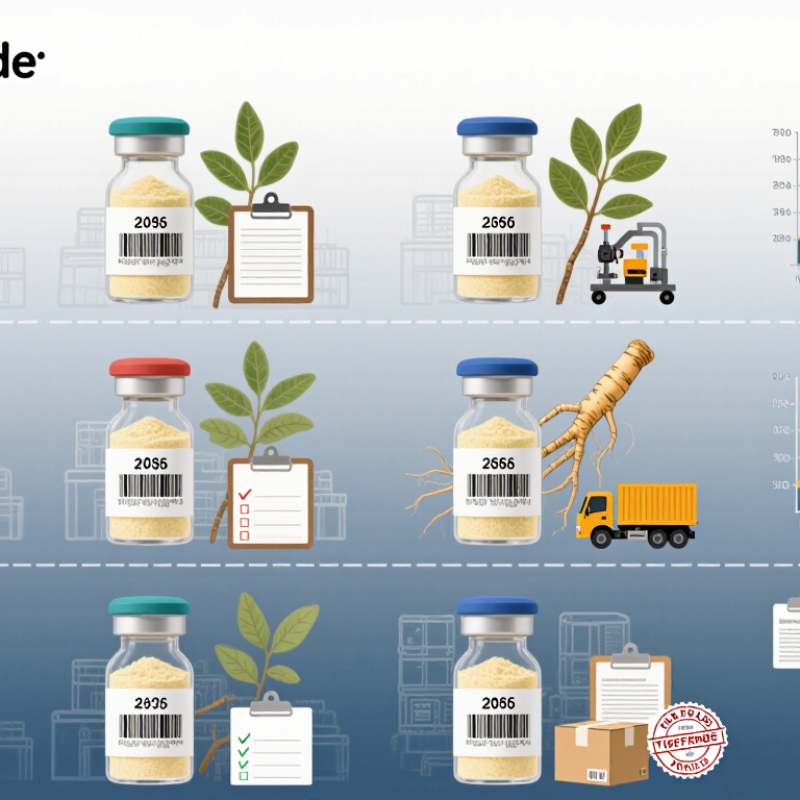
Global buyers need more than a low quotation when comparing Puerarin Powder suppliers. They need a clear view of identity, purity, consistency, and traceability. A neat sample vial is useful, but it proves little by itself. The supporting records matter: botanical source, extraction details, batch-specific test results, and handling conditions. Ask whether the stated assay method is appropriate and whether an independent laboratory can verify key results. Small gaps deserve attention.

Paracelsus, the physician often associated with the principle “The dose makes the poison,” offers a useful reminder: a natural origin does not replace careful quality review. That principle is not a Puerarin Powder purchasing standard, and it should not be presented as one. Still, it encourages buyers to check specifications rather than rely on broad claims. A certificate of analysis should match the lot being purchased. Testing for identity, relevant contaminants, and stability should be documented clearly.

This guide compares ten suppliers through practical sourcing questions, including documentation, manufacturing transparency, communication, and export experience. It does not treat polished websites as proof of quality. Nor can a supplier ranking replace an audit or independent review. Real sourcing is less tidy than a list. A buyer may find a strong test report but still need clearer traceability. Use the comparison as a starting point, request current evidence, and reassess when details do not line up.
Top 10 Puerarin Powder Suppliers for Global Buyers

What Puerarin Powder Is and How It Is Made

Puerarin powder is a botanical ingredient containing puerarin, an isoflavone glycoside found mainly in the roots of kudzu, or Pueraria lobata. The root is cleaned, sliced, and dried before processing. Its appearance may range from off-white to pale yellow, depending on the extract and how it is dried. It is not simply ground root. That distinction matters. A powder made from concentrated extract can contain a different proportion of puerarin than a whole-root powder.

Manufacturers commonly extract the prepared root with water, ethanol, or a mixture of both. The liquid is filtered, concentrated, and purified to increase the target compound, then dried into a powder. Spray drying is one possible method; other processes may be used. Details vary, and the process is not perfectly uniform. Buyers can review the botanical name, extraction solvent, puerarin assay method, and batch-specific test results. HPLC testing can help verify puerarin content, while moisture and contaminant checks offer added quality information. A stated percentage alone tells only part of the story. The supporting records deserve a close look.

How to Evaluate Puerarin Powder Suppliers

Evaluating Puerarin Powder Suppliers

Choosing a puerarin powder supplier takes more than comparing prices. Ask for the botanical source, plant part, extraction method, and a clear product specification. The details should match across the quotation, specification sheet, and certificate of analysis. If they do not, ask why before placing an order. Small inconsistencies matter.

Review how the supplier verifies identity and purity. Request the test method, results for a recent batch, and the laboratory’s qualifications. A chromatographic method such as HPLC may support identification and assay, but the method and acceptance limits should be stated. Check relevant contaminant testing, including heavy metals, pesticides, and microbes, against your intended use and quality requirements. A certificate alone is not proof of consistency. Ask whether batch records and traceability information are available.

Practical checks count, too. Request a representative sample, then assess its appearance, odor, packaging, and performance in your own process. Ask how the powder is protected from moisture and heat during storage and shipping. Confirm shelf-life evidence and how changes between batches are handled. No checklist is perfect. A sample can look fine and still fail later, so retain records and compare batches over time. Clear answers, consistent documents, and a willingness to discuss limitations are useful signs of a dependable supplier.

Top 10 Puerarin Powder Suppliers for Global Buyers

Global buyers comparing puerarin powder suppliers should look beyond price and advertised purity. A dependable supplier can provide a current specification sheet, batch-specific certificate of analysis, and clear information about botanical identity and processing. Ask how the material is tested, which methods are used, and whether results apply to the exact lot being offered. Details matter.

A practical top-ten comparison can include manufacturers, ingredient distributors, and regional sourcing partners. Their roles differ, so compare like with like. Request sample quantities, minimum order sizes, lead times, packaging details, and storage guidance. Check whether documents are consistent across the sample, quotation, and production batch. Small inconsistencies deserve a follow-up question.

For international orders, confirm available shipping arrangements and export paperwork before committing. Ask how complaints, rejected lots, and quality changes are handled. A polished website is not proof of reliable supply; verifiable records and responsive technical communication are more useful. Still, paperwork can look complete while leaving practical questions unanswered. A small sample review may reveal issues that a specification sheet cannot, though it cannot guarantee every future batch. Choose suppliers whose evidence, service, and product fit your intended use.

Comparing Supplier Products, Quality, and Services

Comparing puerarin powder suppliers means checking more than quoted purity. Ask for the botanical source, plant part, extraction method, and a batch-specific certificate of analysis. Useful evidence includes HPLC identity and assay, plus tests for heavy metals, microbes, pesticides, and residual solvents. Request actual chromatograms, not just a polished PDF. Small details matter.

The Council for Responsible Nutrition’s 2024 Consumer Survey found that 75% of U.S. adults use dietary supplements. That figure describes broad supplement use, not puerarin demand, but it underscores why reliable quality records matter. Compare assay results alongside test methods, reporting limits, and laboratory credentials. WHO guidance on herbal-material quality control also emphasizes identity, contamination, and sample handling. Check moisture-protective packaging, traceable lot numbers, and retained-sample policies. Compare sample availability, lead times, and complaint handling, too. Fast replies help, but they cannot replace evidence. Some certificates still leave gaps.

Top 10 Puerarin Powder Suppliers for Global Buyers – Comparing Supplier Products, Quality, and Services

Buyer reference: The entries below are anonymized sourcing-channel profiles, not named or independently verified companies and not a ranked supplier list. Product specifications, certifications, availability, and services vary by supplier and must be confirmed with current documents and samples.

No. Anonymous supplier profile Puerarin product to inquire about Quality checks to request Services to compare Buyer considerations
1 Botanical extract manufacturer Root-derived Pueraria extract powder with a stated puerarin assay; ask whether the product is a standardized extract or a purified ingredient. Batch-specific certificate of analysis (COA); assay method and result; botanical identity; residual solvents; heavy metals; microbiological results. Bulk quotations, specification sheets, samples, and export documentation, subject to confirmation. Confirm the botanical source, plant part, extraction process, and whether the quoted assay is measured on an as-is or dry basis.
2 Pueraria root-processing specialist Powder made from Pueraria root extract, potentially offered at different extract strengths or standardization levels. Species and plant-part identification; chromatographic assay; moisture or loss-on-drying result; contaminant testing. Source traceability information, sample supply, and discussion of harvest or processing details. “Pueraria extract” does not by itself establish a specific puerarin content; obtain the exact specification for each grade.
3 Purified-ingredient producer Higher-assay puerarin powder, if offered; request the assay range, impurity profile, and intended grade. Validated assay method, chromatographic purity or impurity data, identification tests, and batch-to-batch results. Technical documentation and discussions about analytical methods and intended applications. Higher assay does not automatically establish suitability for food, supplement, cosmetic, or pharmaceutical use; verify the applicable regulatory requirements.
4 Contract or custom-extraction manufacturer Custom extract powder with buyer-defined assay, carrier, or powder characteristics, subject to feasibility. Agreed finished-product specification; process and change-control information; batch COA; contaminant and stability data as relevant. Specification development, pilot samples, and contract manufacturing inquiries. Clarify development fees, minimum order quantities, lead times, ownership of specifications, and approval of process changes.
5 Standardized botanical-ingredient supplier Standardized Pueraria extract powder offered against a stated marker-compound specification. Marker assay, identity, moisture, microbiological limits, and contaminant results against the agreed specification. Product documentation, sample evaluation, and repeat-order support where available. Ask whether standardization is achieved through extraction, blending, or another process, and how batch consistency is controlled.
6 Export-focused ingredient supplier Export-packed puerarin or Pueraria extract powder; confirm the exact product name and grade on the offer and documents. COA, specification, safety data sheet where applicable, country-of-origin information, and export document examples. Shipping coordination, export paperwork, and packaging options, depending on destination and order. Check import rules, labeling requirements, customs classification, and whether the supplier can provide documents required in the destination market.
7 Small-batch or sample-oriented supplier Evaluation quantities of a stated powder grade, subject to current sample availability. Sample COA and confirmation that the sample specification matches the commercial batch specification. Smaller trial quantities, technical questions, and preliminary quotations where offered. Confirm sample charges, shipping costs, sample-to-production consistency, and commercial minimum order quantity before testing.
8 Distributor or trading supplier Resold puerarin or Pueraria extract powder sourced from an upstream producer. Original or traceable batch COA, manufacturer identity disclosed under suitable confidentiality terms, and lot-level traceability. Consolidated purchasing, local communication, or logistics coordination, depending on the distributor. Establish who manufactures the material, who is responsible for quality complaints, and whether the source may change between orders.
9 Formulation-oriented ingredient supplier Powder grade selected for a defined formulation or processing need; carriers or other ingredients must be disclosed. Full composition, assay, excipient or carrier details, allergen and contaminant information where relevant. Formulation discussions, handling guidance, or application support if offered. Check whether the product is pure puerarin or a formulated extract blend; confirm all components meet the intended use and labeling rules.
10 Quality-system-focused ingredient supplier Specified puerarin powder supported by documented quality and batch-release procedures. Current quality-system certificates where applicable, audit information, batch records or summaries, deviation handling, and change control. Quality questionnaires, document review, and audit coordination where available. Verify certificate scope, issuing body, site, and validity directly; a certificate alone does not prove that a particular batch meets its specification.

Key Import and Regulatory Considerations for Buyers

Importing puerarin powder is not just a price comparison. Botanical identity, plant part, extraction solvent, and assay method should match across the specification, certificate of analysis, and invoice. The U.S. FDA reports that about 15% of the U.S. food supply is imported, highlighting the importance of traceability and border documentation (FDA, “Imported Foods”). Confirm how the product is classified in the destination market: requirements may differ for foods and dietary supplement ingredients. U.S. importers should also check whether Foreign Supplier Verification Program requirements apply.

Tips: Request a batch-specific certificate of analysis, pesticide and heavy-metal results, country-of-origin records, and a clear test method for puerarin content. Match lot numbers across documents. Paperwork matters.

Before shipment, check local ingredient status, permitted uses, labeling rules, and any notification or registration requirements with the relevant authority. In the EU and other markets, a supplier’s export history alone does not prove that a product is permitted for your intended use. Small document gaps can delay clearance; a tidy folder is helpful, but it is not a substitute for verification.

Key Regulatory Milestones for Puerarin Powder Buyers

A timeline of major U.S. and EU frameworks relevant to dietary supplements and food imports. Years indicate when each framework was enacted or adopted, not product approval.

Milestones shown: the U.S. Dietary Supplement Health and Education Act (DSHEA, 1994); EU General Food Law, Regulation (EC) No 178/2002; EU pesticide maximum residue levels, Regulation (EC) No 396/2005; and EU contaminant limits, Regulation (EU) 2023/915. Requirements depend on destination, intended use, and product classification. Buyers should verify applicable rules and request relevant test reports and import documentation for each shipment.