
Contact Us
7 Tips for Buying Surgical Dressing Pads
Choosing Surgical Dressing Pads is not just a matter of picking the softest pack on the shelf. A pad should suit the wound’s size, location, and drainage while fitting the care plan provided by a clinician. A small incision beneath clothing may need a different shape and securement than a larger, heavily draining wound. Comfort matters, too. Rough edges, bulky layers, or adhesive on sensitive skin can make routine changes harder. Still, comfort alone cannot determine suitability. Sterility, absorbency, materials, package integrity, and clear instructions deserve attention. A low price may look attractive, yet pack size and changing frequency affect overall value.
This guide explores seven practical buying considerations, from dimensions and absorbency to packaging, skin sensitivity, and cost. These details can help shoppers compare products without assuming one pad works for every wound. Check for intact packaging and readable instructions; do not use a pad if its wrapper is damaged. When a clinician recommends a particular dressing, follow that guidance rather than choosing by appearance alone. Seek professional advice for increasing redness, swelling, pain, odor, or unusual drainage. That matters. Even a useful checklist has limits, and product labels cannot assess a wound in person. The best purchase is a suitable one, not simply the largest, thickest, or cheapest pack.
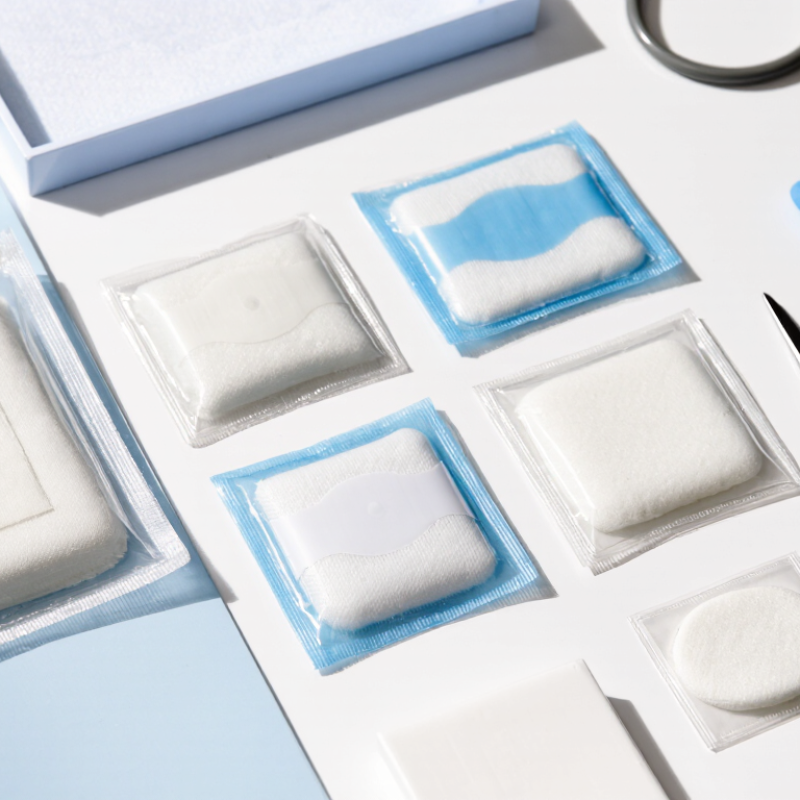
Understand the Wound and Its Dressing Needs
Before choosing a surgical dressing pad, assess the wound and its care plan. Note the incision’s location, depth, drainage, surrounding skin, and whether a clinician expects it to stay dry or manage exudate. A lightly draining incision may need a protective cover; heavier drainage can call for greater absorbency and more frequent changes. Do not treat spreading redness, warmth, worsening pain, odor, or fever as a pad problem alone. Seek clinical advice. That distinction matters.
WHO’s 2016 Global Guidelines for the Prevention of Surgical Site Infection cite a pooled rate of 11.8 infections per 100 operations in low- and middle-income countries. The comparable estimate for high-income countries was 2.9 per 100. These are population figures, not a prediction for one patient, and they do not show that a particular dressing prevents infection. They do underline why careful wound monitoring matters.
Tip: Match absorbency to drainage, and choose a pad that covers the incision without rubbing nearby skin. Check whether adhesive could irritate the patient, and follow the clinician’s instructions for changing or removing the dressing. Look at the wound during each change. Even a reasonable pad choice can miss the mark if drainage changes; reassess rather than simply adding layers.
Compare Pad Materials and Absorbency Levels
Gauze, nonwoven fabric, foam, and hydrofiber handle wound fluid differently. Woven gauze is breathable and useful for light drainage, but it may cling when it dries. Foam and hydrofiber can hold more fluid, which may help when a wound produces moderate or heavy drainage. Their added bulk can make them less comfortable beneath tight clothing. Fit matters too.
Absorbency claims are not always easy to compare. Check whether the manufacturer reports fluid uptake under a standardized test, rather than relying on words such as “high absorbency.”
A 2016 Cochrane review by Dumville and colleagues examined 29 trials involving 5,718 surgical patients. It found no reliable evidence that one dressing type prevented surgical-site infection better than another. The review did not rank pads by absorbency, so its findings cannot tell you which pad holds the most fluid.
Match the pad to the wound’s drainage, location, and expected time between changes. A small, dry incision may need less capacity than a damp wound beneath a moving joint. Watch for leakage, pooling, or a pad that feels saturated; these are practical cues to discuss with a clinician. Not always easy. Absorbency labels can still be confusing, and a larger capacity is not automatically the better choice if the pad irritates skin or shifts during movement.
Check Size, Shape, Sterility, and Adhesive Options
7 Tips for Buying Surgical Dressing Pads
Check Size, Shape, Sterility, and Adhesive Options
A pad should cover the incision fully, with a small margin beyond its edges. Measure the wound area, not just the visible cut. For a curved joint or abdominal incision, consider a flexible shape that lies flat without pulling. Too much excess can bunch under clothing. Too little can leave skin exposed.
Sterility matters. CDC estimates that surgical site infections affect about 2–4% of patients undergoing inpatient surgery. A sterile pad does not prevent every infection, but clean packaging and intact seals are essential. Check the expiry date and confirm the product is sterile and intended for the required use. The CDC’s 2017 SSI guideline advises covering primarily closed incisions with a sterile dressing for 24–48 hours. Follow the care team’s instructions.
Consider adhesive carefully. Sensitive or fragile skin may need a gentler border, while active movement can call for secure fixation. Check whether the adhesive reaches the wound area; it should hold the pad, not stick to the incision. WHO’s 2016 surgical-site infection guidelines found no dressing type clearly superior for preventing infection. So, advanced features alone are not a reliable reason to buy. I would still compare fit and comfort in practice; packaging claims can be easy to overread.
| Tip | What to Check | Practical Guidance | Why It Matters |
|---|---|---|---|
| 1. Choose an appropriate size | Pad dimensions and the area that needs coverage | Select a pad that covers the wound and leaves a margin on intact surrounding skin. Follow the care instructions provided by a healthcare professional. | A pad that is too small may not cover the area adequately; an unnecessarily large one may be harder to secure and keep comfortable. |
| 2. Consider the shape | Square, rectangular, or shaped pads; placement on the body | Match the shape to the wound location and the available flat area for securing the dressing. Check that the pad can lie without excessive folding or bunching. | A suitable shape can help the dressing sit smoothly and stay in place during normal movement. |
| 3. Check sterility and packaging | Whether the pad is labeled sterile, and whether its individual package is intact | For a wound requiring a sterile dressing, use a product labeled sterile. Do not use a pad if its package is torn, wet, opened, or otherwise damaged. | Sterility can be compromised if the protective packaging is damaged or opened. |
| 4. Match absorbency to the care plan | Pad material, thickness, and stated absorbency | Consider the amount of wound fluid and the dressing-change instructions. Ask a healthcare professional if drainage is heavy, increasing, or difficult to manage. | Dressings vary in how much fluid they can absorb; the appropriate choice depends on the wound and its care plan. |
| 5. Compare adhesive options | Adhesive border, separate tape, or a non-adhesive pad | Choose an option that can be secured comfortably on the surrounding skin. A non-adhesive pad generally needs a separate method of fixation. | Adhesive products may not suit every skin type or body area, and repeated removal can irritate fragile skin. |
| 6. Think about skin sensitivity and comfort | Adhesive contact area, material, and ease of removal | If skin is sensitive, fragile, or easily irritated, ask a healthcare professional about appropriate dressing and securing options before use. | Skin condition and dressing removal can affect comfort; suitability varies from person to person. |
| 7. Review the label before buying | Intended use, instructions, package condition, and expiration date where provided | Check the product labeling for use and storage instructions. Choose packaging that is intact and check any expiration date shown on the package. | Label details help confirm that the product is appropriate for its intended use and has been stored as directed. |
Review Packaging, Shelf Life, and Product Standards
When buying surgical dressing pads, inspect the package before comparing sizes or absorbency. Look for a clear product description, sterile or nonsterile status, lot number, and expiry date. Check each pouch for pinholes, damp patches, crushed corners, or a seal that lifts at the edge. Small details matter. A damaged sterile barrier can undermine confidence in the contents, even when the pad looks clean.
For sterile products, ISO 11607-1 sets requirements for packaging systems designed to maintain sterility until use. ASTM F1980 describes accelerated aging methods used to assess sterile-barrier shelf life. These standards do not mean every pad has the same expiry period; check the manufacturer’s validated dating and storage instructions. Keep stock dry, away from heat, and rotate older lots forward. I still find expiry dates easy to overlook during a busy restock.
The CDC reports that surgical site infections affect about 2–4% of patients undergoing inpatient surgery. That figure is not a dressing-pad failure rate, but it shows why dependable wound-care supplies matter. Review relevant product documentation, including sterility claims and applicable standards, rather than relying on appearance alone. If a package is torn or its label is unreadable, set it aside and follow your facility’s procedure. Safety margins can feel fussy, until they aren’t.
Balance Cost, Quantity, and Supplier Reliability
7 Tips for Buying Surgical Dressing Pads
Balance Cost, Quantity, and Supplier Reliability
A low unit price can look attractive until freight, storage, and expiry dates are considered. Compare the full delivered cost, not just the price per pad. Check dimensions, absorbency, material, and packaging against your facility’s specifications. A cheaper pad that does not fit routine procedures may create waste. Check the details.
Order quantities should match actual use and available storage. Review monthly consumption, seasonal changes, and the time needed to use stock before its expiry date. Large orders may reduce shipping costs, but they can tie up cash and shelf space. Smaller orders offer flexibility, though frequent deliveries may cost more. The balance is not always obvious. It helps to compare two or three order sizes using real usage records.
Supplier reliability matters when stock runs low. Ask about typical lead times, back-order communication, product documentation, and how changes to specifications are handled. A sample order can reveal practical issues, such as packaging that is difficult to open with gloves. Confirm that delivered products match the agreed specifications and retain purchasing records for reference. Price still matters, of course. But a very low quote is less useful if delivery dates shift or product details are unclear. It is easy to overestimate how predictable demand will be, so leave room to adjust future orders.